
French Bulldogs can live well in apartments, but only when owners design the routine around noise management, potty logistics, heat safety, alone-time training, and realistic exercise. The breed’s size helps in small spaces, but small space does not remove the need for structure.
Direct answer: French Bulldogs are often good apartment dogs because they are compact and people-oriented, but success depends on setup and routine more than square footage alone. The smartest apartment plan covers potty timing, elevator or stair logistics, bark prevention, airflow, cooling, enrichment, and realistic expectations about how much supervision a young Frenchie still needs.
Who this is for
- Apartment, condo, and small-home residents thinking about a French Bulldog
- Current owners trying to reduce noise, mess, or routine friction indoors
- People managing stairs, elevators, no-yard life, or limited outdoor access
- Readers who want a practical setup guide instead of a hypey “perfect apartment dog” pitch
Who should skip this
- Readers who already know the breed is a poor fit for their schedule, budget, or heat environment
- Owners dealing with active panic-level separation anxiety or serious medical problems that need more targeted help first
- Anyone looking for a breed that thrives on long-distance outdoor endurance work
Quick apartment-fit table

| Apartment challenge | What usually works | What often goes wrong |
|---|---|---|
| Noise complaints | Routine, calmer departures, enough rest, enough enrichment | Leaving a young dog underexercised and overstimulated |
| Potty logistics | Predictable schedule and fast transitions outside | Waiting too long or expecting a puppy to “hold it” like an adult |
| Limited space | Short training reps, enrichment, clutter-free safe zones | Assuming small size means zero exercise or stimulation needs |
| Heat and airflow | Cool indoor environment, smart walk timing, ventilation | Warm stuffy rooms and midday walks |
How we approach apartment living on Frenchy Fab
This page is built as a routine-and-fit guide. It is not meant to convince everyone that a Frenchie belongs in every apartment. The goal is to help you evaluate whether your setup, schedule, and building realities actually match what the breed needs.
Why French Bulldogs often do well in apartments
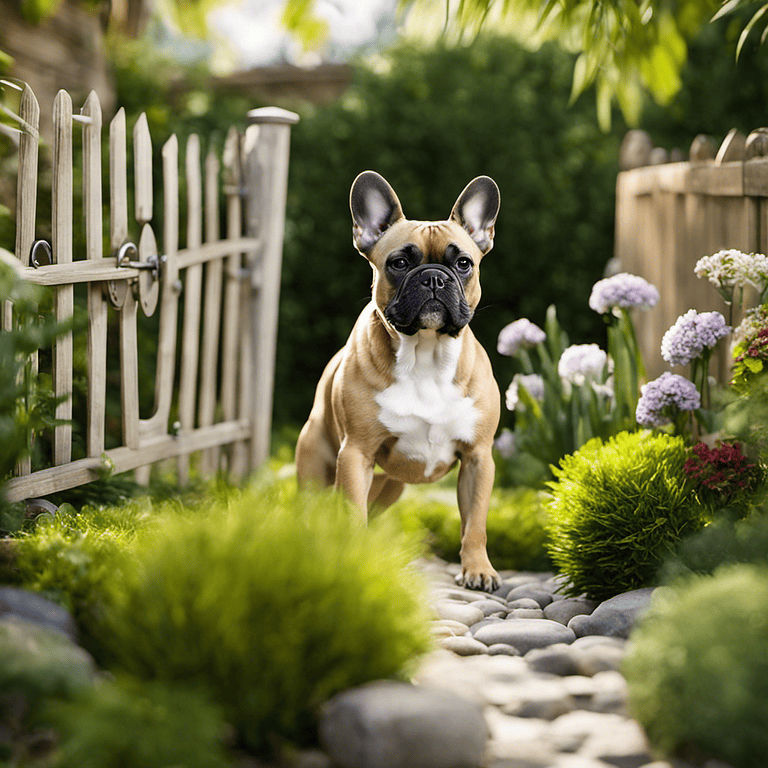
Frenchies are compact, people-focused, and usually more interested in being near their humans than in covering long distances. That makes apartment life easier than it would be with many larger or higher-endurance breeds. But easier does not mean effortless. Indoor success depends heavily on routine, sleep, training, and heat management.
The real pressure points in apartment life
1) Potty timing and access
The smaller your margin for getting outside, the more your schedule matters. Elevators, stairs, weather, and building exits all increase the time between “the dog needs to go” and “the dog is actually outside.” That is especially important with puppies.
If you are starting with a puppy, combine this page with the puppy care guide and the home setup guide.
2) Noise and alone-time issues
Apartment owners often fear barking or distress more than anything else. The most useful prevention is not a gadget. It is building calmer departures, enough daytime rest, enough mental activity, and a gradual alone-time plan before frustration becomes a pattern. If you are already seeing clingy departures or panic, use the separation-anxiety guide if available in your cluster, or the broader anxiety guide.
3) Indoor exercise and enrichment
French Bulldogs do not need marathon-style exercise, but they do need movement, training, and boredom prevention. In small homes, that usually means shorter walks plus indoor games, food puzzles, sniffing tasks, and brief training sessions rather than assuming the dog will just sleep all day.
4) Heat and ventilation
Apartment living can be harder in warm buildings with poor airflow. French Bulldogs already have less heat tolerance than many breeds, so temperature control is not optional. Use the overheating guide and hydration guide if warm-weather management is part of your daily reality.
Comparison table: strong setup versus risky setup

| Apartment situation | Stronger setup | Riskier setup |
|---|---|---|
| Young puppy in a high-rise | Very structured potty schedule and close supervision | Long unsupervised blocks and delayed bathroom trips |
| Work-from-home owner | Built-in rest, training, and alone-time practice | Constant attention with no independence practice |
| Warm building | AC, fans, smart walk timing | Hot afternoon walks and stuffy indoor air |
| Small space | Defined rest zone and clutter control | Chaotic layout with no calm default area |
Decision framework
- Apartment life is a good fit if you can provide routine, cooling, potty access, and enough supervision during the harder phases.
- Apartment life is possible but needs work if your main challenge is schedule friction, noise sensitivity, or no-yard logistics.
- Apartment life may be the wrong fit right now if your building runs hot, your schedule is erratic, and you do not have a workable potty and alone-time plan.
Common mistakes

- Assuming “small dog” means “easy apartment dog” without a routine
- Underestimating how much elevator, stair, or hallway time affects potty success
- Ignoring heat buildup indoors
- Expecting a puppy to self-settle all day in a tiny space
- Using walks only for bathroom breaks and not for decompression or routine building
FAQ
Are French Bulldogs good apartment dogs?
Often yes, but mostly because of size and companion temperament. They still need structure, cooling, potty planning, and enough enrichment to stay stable indoors.
Do Frenchies need a yard?
Not necessarily, but no-yard life increases the importance of scheduling and fast outdoor access.
What is the hardest part of apartment life with a French Bulldog?
For many owners it is not space itself but timing: potty access, alone-time training, noise management, and warm-weather planning.
Is apartment life harder with a puppy than with an adult?
Yes. Puppies need more supervision, more frequent bathroom trips, and more routine support than settled adults.
Sources

- AKC breed overview: French Bulldog
- The Kennel Club breed profile: French Bulldog
- ACVS: brachycephalic syndrome
Related next reads
- French Bulldog care guide
- French Bulldog puppy care guide
- French Bulldog anxiety guide
- Overheating guide
Author and review process
Written for Frenchy Fab as a practical apartment-living guide and edited to remove inflated city statistics, fake precision, and landlord-fear marketing. The goal is better fit assessment and a calmer indoor routine.

Frenchy Fab editorial profile focused on practical French Bulldog owner guidance, safety-aware care routines, nutrition, puppy care, grooming, training, and transparent product-review methodology. Content is educational and does not replace veterinary diagnosis or treatment.