
French Bulldog essentials
Quick buyer checklist for safer Frenchie gear, food, cooling, and feeding support.
French Bulldogs need careful fit, airway-safe gear, heat precautions, and digestion-aware choices. Use these product searches as a starting point, then confirm sizing, ingredients, and vet guidance for your dog.
Disclosure: Some product links may be affiliate links. If you buy through them, we may earn a commission at no extra cost to you. For breathing problems, allergies, overheating, vomiting, or sudden appetite changes, ask your veterinarian first.
At a glance
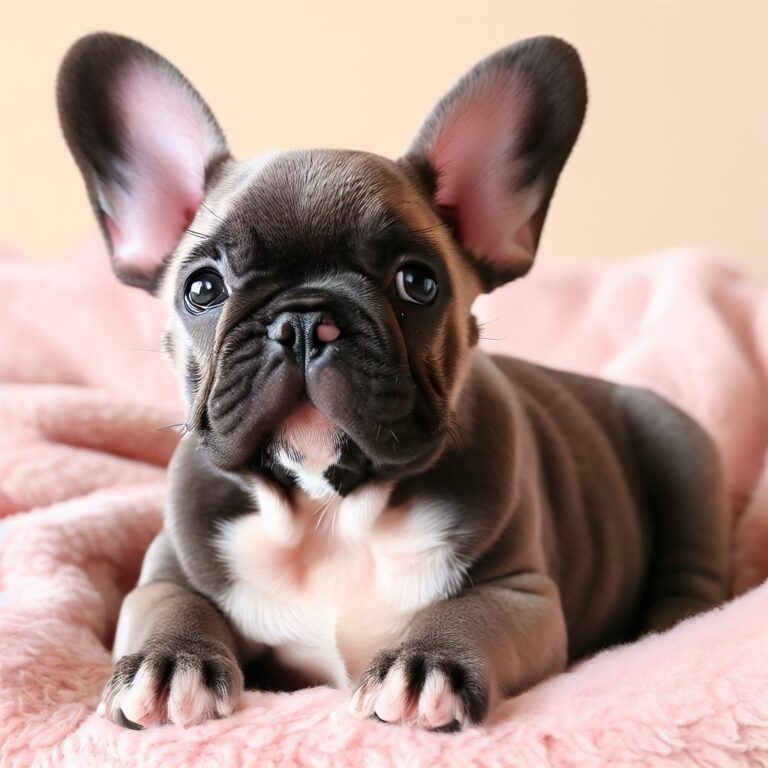
A French Bulldog puppy needs a predictable routine, short training sessions, careful heat management, safe socialization, and food portions that match age and body condition. Keep the first week simple: vet check, crate setup, potty schedule, calm play, and close monitoring for breathing, digestion, and energy changes.
When to call a vet
Call a vet urgently for collapse, blue or pale gums, breathing distress, repeated vomiting, bloody diarrhea, extreme lethargy, or signs of heat stress.
What this guide helps you decide
- What matters first for a French Bulldog, not a generic dog.
- Which mistakes create health, training, or comfort problems.
- Where to go next in the Frenchy Fab care library.
Related Frenchy Fab guides
French Bulldog Puppy Care: First-Year Health, Training, Feeding, Grooming, and Safety Guide
A complete French Bulldog puppy care guide covering vet visits, vaccines, potty training, socialization, heat safety, grooming, and first-year routines.

French Bulldog puppy care is about building safe routines early: vet visits, vaccines, parasite prevention, puppy nutrition, potty training, crate comfort, socialization, heat safety, handling, grooming, insurance and calm behavior. A great first year prevents avoidable stress later.
This guide is educational and designed to help you ask better questions. It does not replace diagnosis, treatment, emergency care or a personalized plan from your veterinarian. For severe symptoms, pain, collapse, breathing distress, suspected heatstroke, repeated vomiting, weakness, or sudden behavior change, contact a veterinarian immediately.
The first week home
Vet and health priorities
Ask your veterinarian about vaccines, parasite prevention, weight, breathing, palate/nostrils, skin, ears, dental development, microchip, spay/neuter timing and safe socialization before vaccine completion.
First-Year Vaccine Schedule
Work with your veterinarian to establish a vaccination routine. Below is a standard guideline for core and non-core vaccines in the first year.
| Age | Core Vaccines | Non-Core / Discussion Points |
|---|---|---|
| 6–8 weeks | DHPP (Distemper, Adenovirus, Parvovirus, Parainfluenza) | Bordetella (Kennel Cough) |
| 10–12 weeks | DHPP (Booster) | Leptospirosis, Influenza |
| 14–16 weeks | DHPP (Booster), Rabies | Lyme Disease |
| 12 months | DHPP Booster, Rabies Booster | Annual risk-based non-core boosters |
Potty Training Checklist
Consistency and positive reinforcement are the keys to house-training a French Bulldog puppy.
- Take your puppy out immediately after they wake up from a nap.
- Go out within 15–20 minutes of eating or drinking.
- Accompany your puppy outdoors to reward successful potty trips immediately with calm praise and a treat.
- Establish a designated toilet spot outside to build association.
- Keep the puppy in a crate or supervised playpen when you cannot watch them.
- Clean indoor accidents with an enzymatic cleaner to remove lingering odors that attract them back.
Training foundation
Use reward-based methods: name response, hand target, settle on mat, crate comfort, harness practice and polite greetings. The house-training guide and anxiety guide connect directly to this foundation.

Breed-specific safety habits
| Risk | Habit |
|---|---|
| Heat intolerance | Short cool walks; no hot cars; avoid midday pavement. |
| Breathing signs | Record noisy breathing and recovery; discuss at vet visits. |
| Skin folds | Gentle cleaning and drying as directed by your vet/groomer. |
| Ear issues | Check odor/redness; do not over-clean or self-medicate. |
| Weight gain | Measure food and count training treats. |
Owner action plan: what to do today, this week, and long term
| Timeframe | Action | Why it matters |
|---|---|---|
| Today | Set a predictable routine for sleep, meals, potty, calm handling and short training sessions. | French Bulldogs learn faster when the environment makes success obvious. |
| This week | Reward the behaviors you want and reduce rehearsal of barking, accidents, panic, pulling or overexcitement. | Management prevents habits while training builds alternatives. |
| Next vet visit | Ask whether pain, ears, breathing, digestion or heat sensitivity could be contributing to behavior. | Behavior and health are connected, especially in brachycephalic breeds. |
| Ongoing | Increase difficulty slowly and keep sessions short, calm and successful. | Overwhelmed puppies and anxious dogs do not learn well. |
Common myths, clarified
| Myth | Better answer |
|---|---|
| “Stubborn dogs need harsher correction.” | Humane reward-based training is safer and more effective for long-term learning. |
| “Accidents are revenge.” | Puppies have limited bladder control and need management, schedule and rewards. |
| “Anxiety is just bad behavior.” | Panic, fear and stress need a treatment plan, not punishment. |
| “Socialization means meeting every dog.” | Good socialization means positive, controlled exposure — not flooding or chaos. |
Copy-and-paste tracking template
Use this note format: Date: ____ / Main concern: ____ / Severity from 1–5: ____ / Trigger: ____ / Food and treats today: ____ / Weather or activity: ____ / Stool, skin, ears, breathing or behavior notes: ____ / What helped: ____ / Questions for vet or trainer: ____.
Tracking is not busywork. It turns vague memories into patterns. Patterns improve daily decision-making, care consistency, and the health of your dog.
Frequently asked questions
When should I take my French Bulldog puppy to the vet?
Soon after bringing the puppy home, then according to your veterinarian’s vaccine and preventive-care schedule.
Are French Bulldog puppies hard to potty train?
They can be stubborn or easily distracted, but a predictable schedule and reward-based routine work well.
How much exercise does a Frenchie puppy need?
Short, gentle sessions are safer than long forced walks. Avoid heat and watch breathing.
Should I get pet insurance for a French Bulldog puppy?
Many owners consider it because breed-related health costs can be significant. Review exclusions and waiting periods carefully.
Editorial sources and review notes
This guide is written for owners and should be reviewed by your veterinarian for your dog’s individual medical history. Key references used to keep the guidance conservative and source-aware:

Frenchy Fab editorial profile focused on practical French Bulldog owner guidance, safety-aware care routines, nutrition, puppy care, grooming, training, and transparent product-review methodology. Content is educational and does not replace veterinary diagnosis or treatment.
Socialization without overwhelming your puppy
Socialization means positive exposure, not chaotic dog-park flooding. Pair new sounds, surfaces, people, grooming tools and short car rides with calm rewards. Stop before your puppy is frightened or overstimulated.