
Quick answer: Night paw licking in French Bulldogs is usually a sign of itch, discomfort, or irritation — and less often a simple habit. Common triggers include food allergies, environmental allergens, yeast overgrowth, dry skin, pain, anxiety, or foreign material. Occasional licking can be normal; constant nighttime licking that disrupts sleep is worth investigating. This guide walks through the causes, when to worry, and what to do next.
Why Night Licking Is Different From Daytime Licking
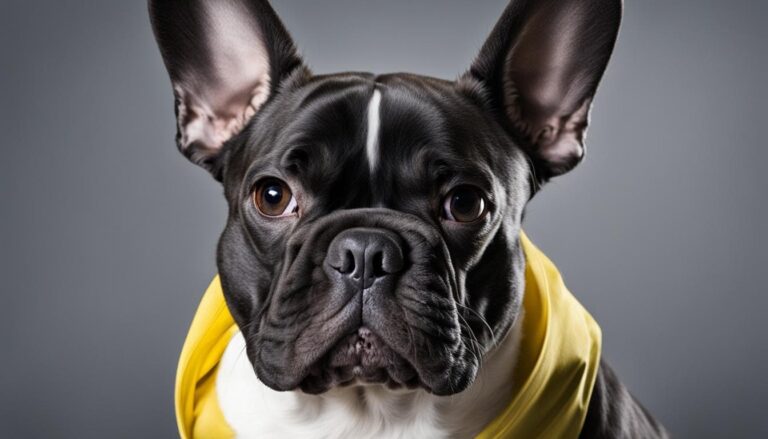
French Bulldogs lick their paws for the same reasons during the day — allergies, irritation, boredom — but nighttime licking deserves special attention for two reasons. First, quiet nighttime hours remove distractions, so the licking becomes more intense and prolonged. Second, repeated licking while lying still can trap moisture between the toes, creating the warm, damp conditions that promote yeast infections and skin damage.
Most Frenchie owners first notice the problem when they hear licking sounds at 2 a.m. or when they feel a wet patch on the dog bed. By that point, the licking may have already been going on for weeks.
The Main Causes of Nighttime Paw Licking
1. Food Allergies and Sensitivities
Food allergies are among the most common reasons a French Bulldog licks paws, especially at night when the body has been still and digestion slows. The most frequently implicated ingredients in dog food allergies are chicken, beef, dairy, wheat, soy, and egg — common components of many commercial dog foods. Food allergies in dogs typically manifest through the skin rather than primarily through the digestive system, which is why paw licking, ear infections, and skin redness are often the first noticeable signs.
For French Bulldogs, whose digestive systems are sensitive by breed tendency, a reaction to a new protein source or a sudden diet change can show up as paw itch within days. The connection is not always obvious because the food may have been eaten for months before the immune system reacts.
Food sensitivity (not a true immune-system allergy) can produce similar signs and is also worth considering, especially if your Frenchie has a history of soft stools, gas, or digestive upset alongside the paw licking.
2. Environmental Allergens
Environmental allergies — also called atopy — are triggered by substances in the home or outdoor environment such as grass pollen, tree pollen, mold spores, dust mites, cleaning products, carpet fibers, or certain fabrics. French Bulldogs with environmental allergies often lick their paws after walks, after lying on certain surfaces, or during seasons when allergen loads are higher.
The paws are a primary contact point with allergens, which is why they are often the first and most persistent site of allergic itching. Unlike food allergies, environmental allergies may show a seasonal pattern, though indoor allergens like dust mites can cause year-round symptoms.
3. Yeast Infections
Yeast overgrowth — most commonly the Malassezia species — thrives in warm, moist environments. French Bulldogs have skin folds, tight toe spaces, and often slightly damp paws from licking, all of which create ideal conditions for yeast to multiply. A yeast infection on the paws typically produces a distinctive musty or Frito-like odor, reddish-brown discoloration between the toes, greasy or waxy skin, and intense itching that is noticeably worse at night.
Yeast infections can be secondary to allergies. When allergies cause a dog to lick persistently, the moisture and inflammation create conditions for yeast to overgrow, which then makes the itching worse, creating a cycle that owners often describe as relentless nighttime licking.
4. Pain or Discomfort
A dog in pain will often lick a painful area — a paw, joint, or limb — as a soothing behavior. French Bulldogs are prone to intervertebral disc disease (IVDD), hip dysplasia, elbow dysplasia, and patellar luxation, all of which can cause chronic discomfort that becomes more noticeable when the dog lies down to rest. Licking the paw may be the visible response to pain that originates elsewhere in the body.
If your Frenchie is licking one paw specifically, or if the licking is accompanied by limping, reluctance to jump or climb stairs, stiffness after rest, or changes in posture during sleep, pain is a more likely contributor and warrants a veterinary evaluation.
5. Anxiety and Stress
French Bulldogs are companion dogs that can develop anxiety when left alone, during thunderstorms, during changes in routine, or in response to household stress. Compulsive licking — including paw licking and generalized body licking — is a recognized stress response in dogs. For some dogs, the behavior becomes more pronounced at night when the house is quiet and there are fewer distractions from the anxiety.
Anxiety-related licking may be harder to identify because it can look identical to allergic itching. Looking at context clues — whether the licking started after a change in routine, a move, a new pet, or a stressful event — can help differentiate it from a physical cause.
6. Foreign Material and Irritants
Salt and de-icing chemicals on winter sidewalks, grass seeds, burrs, small thorns, sand, gravel, or chemicals in cleaning products walked across the floor can all irritate a Frenchie’s paws and trigger licking. French Bulldogs that walk on hot pavement in summer can suffer burns to the paw pads that become apparent as licking begins that evening. Checking the paws after every walk and wiping them down with a damp cloth is a simple prevention step that many owners overlook.
How to Tell What Is Causing the Licking
Observing the licking pattern gives useful clues even before you visit a vet. Licking that begins as soon as the dog lies down at night and continues in long sessions is more consistent with allergy or yeast. Licking that is concentrated on one paw may point to pain or localized injury. A strong smell or visible redness between the toes is a strong indicator of yeast. Licking that started after a specific event — a new food, a new household product, a season change — gives you a useful timeline to share with your vet.
Keeping a brief log — when the licking starts, how long it lasts, what food was eaten that day, whether the dog has been for a walk, any new products in the home — gives your veterinarian a much clearer picture than “he licks his paws at night.”
When to Call the Vet

Vet Red Flags — Call Promptly
- Swelling, bleeding, or open sores on the paws.
- Paw discharge, bad odor, or pus.
- Limping, stiffness, or reluctance to put weight on a paw.
- Licking that has created bald patches or raw skin.
- Paws that are hot to the touch, crusty, or visibly different in color.
- Licking that is constant and preventing sleep or causing significant hair loss.
- Any sudden onset of intense licking with no clear trigger.
What the Vet May Do
A veterinarian will start with a physical exam that includes a close inspection of the paws, skin folds, ears, and coat. They may perform a skin scrape or tape impression to look for yeast, bacteria, mites, or fungal elements under a microscope. If a food allergy is suspected, they may recommend a strict elimination diet trial of 8 to 12 weeks — using a novel or hydrolyzed protein source — to see if symptoms improve.
For environmental allergies, intradermal skin testing or blood testing can identify specific triggers. Treatment options may include apoquel, cytopoint injections, antihistamines, medicated shampoos or wipes, foot soaks, allergen-specific immunotherapy, or dietary supplements — all determined by the specific diagnosis.
What You Can Do at Home
- Rinse paws after walks with plain warm water and dry thoroughly — this removes allergens and irritants before they cause a reaction.
- Wipe paws daily with a pet-safe wipe, especially in pollen season or if you have carpet cleaned with chemicals.
- Check for foreign material after every walk — grass awns, salt granules, burrs, and small debris can all cause irritation.
- Keep paws dry — moisture between the toes is the main driver of yeast overgrowth, so drying thoroughly after any contact with water is important.
- Consider a cone at night if the licking is causing damage — it breaks the cycle of lick-irritate-lick while you work on the underlying cause with your vet.
- Review recent food changes — if you switched protein sources or added a new treat, note the timing against when the licking started.
- Use a slow feeder if mealtimes feel frantic — anxiety-driven licking is easier to manage once the overall stress load is reduced.
FAQ: French Bulldog Paw Licking at Night
Is it normal for a French Bulldog to lick his paws at night?
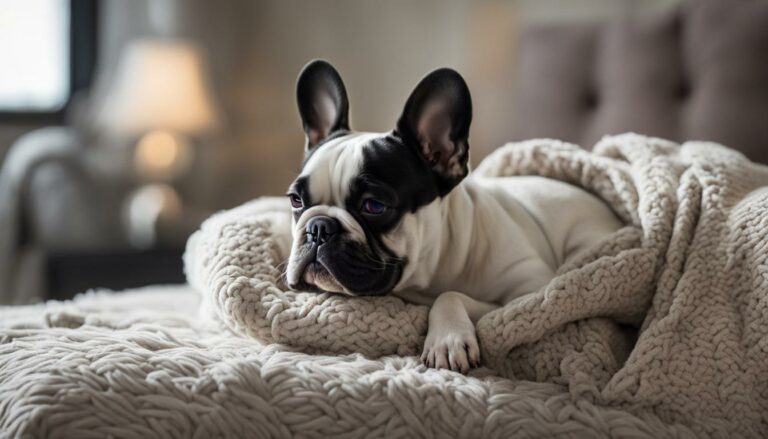
Occasional brief licking, especially after a walk or as part of normal grooming behavior, is within normal range. Constant, prolonged, or disruptive nighttime licking that happens every night is not normal and has an underlying cause worth investigating.
Can switching my Frenchie’s food stop the paw licking?
If a food allergy or sensitivity is driving the licking, identifying and removing the offending ingredient — through a structured elimination diet supervised by your vet — can lead to significant improvement. Randomly switching between commercial foods without a clear plan is unlikely to resolve the issue and may make diagnosis harder.
How do I know if my French Bulldog has a yeast infection in his paws?
Signs that suggest yeast include a musty or cheesy odor, reddish-brown or pink discoloration between the toes, waxy or greasy skin in the toe webs, and licking that seems noticeably worse at night. Your vet can confirm yeast through a simple skin impression test.
Should I use coconut oil on my Frenchie’s paws?
While coconut oil is sometimes discussed as a home remedy, using it on paws that are already moist or infected can worsen yeast problems by adding more oil to an already favorable environment for fungal growth. Do not apply products to broken or raw skin without veterinary guidance.
Can anxiety cause paw licking in French Bulldogs?
Yes. Anxiety and compulsive behaviors can include repetitive paw licking. If other causes have been ruled out by your vet, anxiety management — including routine consistency, enrichment, calming products, and in severe cases medication — may reduce the behavior.
When is nighttime paw licking an emergency?
Call your vet the same day if there is visible swelling, bleeding, open wounds, discharge, or signs of infection. Seek emergency care if the paw is hot and swollen, if there is any sign of a severe allergic reaction such as facial swelling or breathing difficulty, or if the dog is in obvious pain.
What to Do Next
Start with a thorough paw check — look between the toes, around the nail beds, and on the paw pads for anything visible. If the paws look normal, begin keeping a log of when the licking occurs, what your Frenchie ate that day, and any other changes in the home. Share that log with your veterinarian at your next appointment or call ahead to discuss whether an earlier visit is warranted.
In the meantime, rinse and dry those paws after every walk and consider a vet-recommended paw wipe for daily use. Breaking the cycle of nighttime moisture and irritation is the first practical step, even before you have a diagnosis.
Sources and References
- Royal Veterinary College: BOAS and Brachycephalic Health Resources
- University of Illinois College of Veterinary Medicine: Canine Skin Hypersensitivity
- VCA Animal Hospitals: Food Allergies in Dogs
- VCA Animal Hospitals: Atopic Allergies in Dogs
- Royal Veterinary College VetCompass: French Bulldog Disorder Study

Frenchy Fab editorial profile focused on practical French Bulldog owner guidance, safety-aware care routines, nutrition, puppy care, grooming, training, and transparent product-review methodology. Content is educational and does not replace veterinary diagnosis or treatment.