
French Bulldog Genetic Testing Guide: DNA Tests, Health Screening, and Breeder Questions
Complete French Bulldog genetic testing guide covering DNA tests, health screening, OFA/CHIC questions, breeder transparency and buyer decisions.
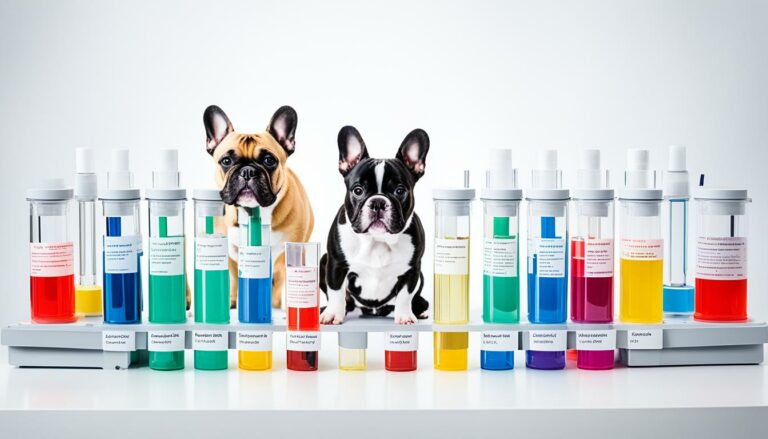
French Bulldog genetic testing is useful when it is treated as one part of responsible health screening, not as a guarantee of a healthy dog. DNA tests can identify some inherited disease risks and carrier status, but they do not replace respiratory evaluation, orthopedic screening, eye exams, skin history, temperament assessment, breeder transparency or routine veterinary care.
This guide is educational and designed to help you ask better questions. It does not replace diagnosis, treatment, emergency care or a personalized plan from your veterinarian. For severe symptoms, pain, collapse, breathing distress, suspected heatstroke, repeated vomiting, weakness, or sudden behavior change, contact a veterinarian immediately.
What genetic tests can and cannot tell you
DNA tests can identify variants associated with certain inherited conditions and can help breeders make better mating decisions. They cannot prove that a French Bulldog will never develop BOAS, allergies, spinal disease, heat intolerance, luxating patellas, ear infections, dental issues or digestive problems.
| Question | Genetic testing helps with | Genetic testing does not replace |
|---|---|---|
| Breeding risk | Carrier status and known variants | Ethical breeding decisions, physical exams, pedigree review |
| Buyer confidence | Transparency about tested conditions | Breeder reputation, contract, health history |
| Owner planning | Awareness of some inherited risks | Routine vet care, insurance, weight control |
| Breed health | Better data and screening culture | Airway, orthopedic, eye and cardiac evaluation |
Questions to ask a French Bulldog breeder
A responsible breeder should be able to discuss more than DNA. Ask about parent temperament, breathing, heat tolerance, surgeries, allergies, spine issues, patellas, eyes, dental crowding and long-term owner support.
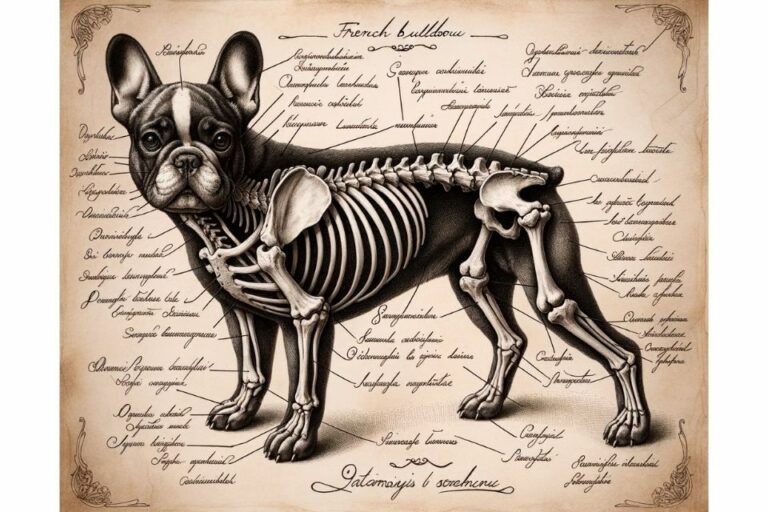
How buyers should use the results
Use test results to ask better questions, not to stop asking questions. A “clear” result for one variant does not clear the whole breed-health picture. Pair genetics with the French Bulldog health problems guide, the breathing problems guide and the true cost of French Bulldog ownership.
How current owners should use DNA testing
If you already own a Frenchie, genetic testing can help you understand risk, but it should not create panic. Share results with your veterinarian. Ask which findings matter now, which simply need monitoring, and which should be added to your dog’s medical record.

A practical screening stack
| Layer | Best for | Who helps |
|---|---|---|
| DNA testing | Known inherited variants and carrier status | Genetic testing lab + veterinarian |
| Airway assessment | BOAS signs, nostrils, soft palate concerns | Primary vet or surgical specialist |
| Orthopedic screening | Patellas, hips, spine concerns | Veterinarian; OFA-style registries when applicable |
| Eye/skin history | Allergies, tear issues, recurring infections | Veterinarian and breeder records |
| Owner routine | Weight, food, heat safety, training | Owner + vet team |
Key entities and terms
Owner action plan: what to do today, this week, and long term
| Timeframe | Action | Why it matters |
|---|---|---|
| Today | Separate purchase price from lifetime budget. | A low upfront price can hide future veterinary and ethical costs. |
| This week | Request health documentation, breeder transparency or rescue records before committing. | Documentation protects the dog and buyer. |
| Before purchase/adoption | Compare insurance, emergency fund and first-year setup costs. | French Bulldogs can have breed-specific costs that surprise new owners. |
| Ongoing | Budget monthly for preventive care, food, grooming, dental care and emergencies. | Predictable savings reduce crisis decisions. |
Common myths, clarified
| Myth | Better answer |
|---|---|
| “The cheapest puppy saves money.” | Cheap acquisition can become expensive if breeding, health records or support are poor. |
| “Insurance can wait until later.” | Waiting can create pre-existing condition exclusions. |
| “Adoption means no health costs.” | Adoption can reduce upfront price, but ongoing breed care still matters. |
| “Color is a health guarantee.” | Marketing terms and rare colors do not replace health screening. |
Copy-and-paste tracking template
Use this note format: Date: ____ / Main concern: ____ / Severity from 1–5: ____ / Trigger: ____ / Food and treats today: ____ / Weather or activity: ____ / Stool, skin, ears, breathing or behavior notes: ____ / What helped: ____ / Questions for vet or trainer: ____.
Tracking is not busywork. It turns vague memories into patterns. Patterns improve daily decision-making, care consistency, and the health of your dog.
At a glance
Best answer: French Bulldog genetic testing is useful when it is treated as one part of responsible health screening, not as a guarantee of a healthy dog. DNA tests can identify some inherited disease risks and carrier status, but they do not replace respiratory evaluation, orthopedic screening, eye exams, skin history, temperament assessment, breeder transparency or routine veterinary care.
Helpful glossary
French Bulldog genetic testing: a practical part of French Bulldog care. DNA test: a practical part of French Bulldog care. OFA: a practical part of French Bulldog care. CHIC: a practical part of French Bulldog care. health screening: a practical part of French Bulldog care. responsible breeder: a practical part of French Bulldog care. carrier status: a practical part of French Bulldog care.
Frequently asked questions
Is genetic testing required before buying a French Bulldog?
It is not the only requirement, but documented health screening is a strong sign that a breeder takes inherited risk seriously.
Can DNA testing predict BOAS?
BOAS is complex and strongly related to anatomy. DNA testing does not replace physical airway evaluation and observation of breathing, exercise tolerance and heat sensitivity.
What should I do with my dog’s DNA results?
Send them to your veterinarian, ask which findings are clinically relevant, and use them as part of your long-term health plan.
Can a clear DNA result mean the puppy is healthy?
No. A clear result for specific variants does not rule out all breed-related health problems.
Editorial sources and review notes
This guide is written for owners and should be reviewed by your veterinarian for your dog’s individual medical history. Key references used to keep the guidance conservative and source-aware:
Use the free French Bulldog care plan builder to turn this guide into an age, weight, lifestyle, and health-aware routine.
See how the personalized French Bulldog care plan works or start the free plan now.

Frenchy Fab editorial profile focused on practical French Bulldog owner guidance, safety-aware care routines, nutrition, puppy care, grooming, training, and transparent product-review methodology. Content is educational and does not replace veterinary diagnosis or treatment.