
Frenchy Fab rewrite pack
Who this is for / not for
You have a puppy, adolescent, rescue adult, shy Frenchie, reactive dog, or dog that needs safer exposure to people, surfaces, sounds, visitors, and dogs.
Dogs with severe aggression, bite history, intense panic, or respiratory distress during outings. Work with a veterinarian, veterinary behaviorist, or qualified trainer.
Clear definition
Socialization is controlled positive exposure, not random interaction. A socialized French Bulldog does not need to meet every person or dog. The goal is a dog who can notice normal life, recover, and choose calm behavior. For Frenchies, socialization must also respect heat, airway, and fatigue limits.



Exposure decision table
| Exposure type | Good starting version | Too much too soon |
|---|---|---|
| People | Person at distance tossing treat, no reaching | Crowd touching puppy from above |
| Dogs | Calm vaccinated dog parallel walking at distance | Dog park pile-on or unknown off-leash dogs |
| Sounds | Low-volume recordings during food or play | Loud construction or fireworks without escape |
| Surfaces | One new surface for 30-60 seconds | Forcing across slippery or scary surfaces |
| Handling | One paw touch, reward, release | Holding down for nail trims while puppy panics |
| Places | Quiet parking lot observation from car or arms | Busy festival, hot pavement, long session |
Practical framework: distance, duration, difficulty
Every exposure has three dials. Distance means how close the trigger is. Duration means how long the session lasts. Difficulty means how intense the trigger is. If your dog struggles, change one dial at a time, usually by increasing distance and shortening duration.
Step-by-step safe exposure plan
Ask your veterinarian about disease risk
Before full vaccination, avoid high-risk dog traffic areas. Use safe carried outings, clean surfaces, trusted homes, and puppy classes that require appropriate records.
Create a baseline list
Write what your dog already handles: people, floors, noises, car rides, grooming touches, dogs, visitors, and neighborhood sights.
Start below threshold
Your dog should be curious or calm enough to eat, sniff, look away, and recover. If not, increase distance.
Reward observation, not just interaction
A Frenchie watching a stroller calmly from 20 feet away is successful socialization.
End early
Stop before your dog overheats, pants hard, freezes, barks repeatedly, or stops taking food.
Repeat throughout life
Adolescents and adults need maintenance. Add one manageable novelty each week.
Examples by situation
Use carried walks, stroller observation, friends’ clean homes, sound recordings, handling games, and vet-approved puppy classes.
Start at home with choice, predictable routine, treat scatters, and no forced petting. Let the dog approach.
Skip dog parks. Start far enough away that your dog can notice another dog and still eat, sniff, or respond.
Work on elevators, traffic, strollers, bikes, door buzzers, cafes, and sidewalks in tiny sessions, not long exposure marathons.
Common mistakes and troubleshooting
- Forcing greetings: Forced contact can create fear, not confidence.
- Equating socialization with dog parks: Dog parks are optional and often too intense.
- Ignoring stress signals: Lip licking, yawning, turning away, freezing, tucked body, whale eye, and frantic panting mean slow down.
- Overheating during training: Keep sessions short and cool.
- Stopping after puppyhood: Link this guide to French Bulldog behavior problems guide, French Bulldog crate training guide, and French Bulldog puppy care guide for ongoing support.
Quote-ready answer bank
Socialization is safe positive exposure, not forcing a dog to meet every person, dog, or environment.
A puppy calmly watching the world at a safe distance is learning, even without direct contact.
Short, cool, successful exposures beat long stressful outings because airway and heat limits change training tolerance.
Adults can improve confidence, but the plan should be slower, choice-based, and focused on calm recovery.
Recommended French Bulldog gear for this guide
papalex-20. Each card uses an exact ASIN-specific Amazon link and a relevant product image for the product shown. Prices, availability, packaging, ratings, and images can change, so verify the final display through Amazon SiteStripe, Product Advertising API, or your Amazon Associates plugin before publishing.These products are practical support tools, not shortcuts. Choose items that fit your Frenchie’s size, breathing comfort, skin sensitivity, chewing style, and veterinary needs.

Best for: Walks and training
rabbitgoo No-Pull Dog Harness with 2 Leash Clips
A front-and-back clip harness option for controlled walks. For French Bulldogs, fit matters more than brand: avoid pressure on the throat and check shoulder movement.
- Good fit: Good for short, temperature-safe walks and training sessions.
- Skip if: Skip any harness that rubs armpits, restricts breathing, or changes your dog’s gait.

Best for: Puppy chewing
KONG Puppy Natural Rubber Chew Toy
A classic puppy chew toy for redirecting teething and building calm routines. Match the size to your dog and remove it if damaged.
- Good fit: Good for supervised chew sessions and food-stuffed enrichment.
- Skip if: Skip if your dog breaks off pieces or has a known material sensitivity.

Best for: Calm enrichment
LickiMat Classic Buddy Slow Feeder Dog Lick Mat
A lick mat can turn a small amount of dog-safe food into a calm enrichment activity. Use low-calorie toppings and include the calories in the daily food total.
- Good fit: Good for calm routines, nail-trim practice, and decompression after outings.
- Skip if: Skip for dogs that chew or swallow silicone or rubber surfaces.

Best for: Wrinkle and paw cleanup
Earth Rated Unscented Dog Wipes, 100 Count
Unscented grooming wipes are useful for quick paw, coat, and skin-fold cleanup between baths. Dry folds afterward so moisture does not stay trapped.
- Good fit: Good for daily maintenance when your vet has not prescribed medicated wipes.
- Skip if: Skip for red, painful, smelly, or infected folds; those need veterinary care.
Best for: New puppy settling
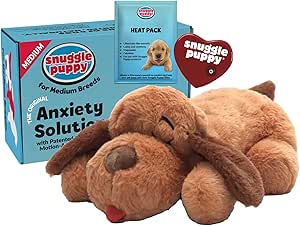
Snuggle Puppy Heartbeat Behavioral Aid Toy
A soft comfort toy with heartbeat-style support for some puppies during early transitions. Use only under appropriate supervision and remove if your dog chews fabric aggressively.
- Good fit: Good for supervised settling routines and first-night comfort.
- Skip if: Skip if your Frenchie destroys plush toys or guards soft items.
Helpful video
Use this as visual support, then follow the breed-specific safety notes in this article.
Frequently asked questions
When should I start socializing a French Bulldog puppy?
Start safe exposure as early as your veterinarian recommends. AVSAB emphasizes early socialization before puppies are fully vaccinated when risk is managed. Avoid high-risk dog areas until your vet clears them.
Can I socialize my French Bulldog before vaccines are complete?
Yes, with veterinary guidance and risk control. Use carried outings, clean private homes, trusted vaccinated dogs, controlled puppy classes, sounds, surfaces, and gentle handling instead of dog parks or unknown dog traffic.
What are stress signs during socialization?
Watch for lip licking, yawning, turning away, freezing, hiding, tucked posture, whale eye, refusing food, frantic panting, barking, growling, or trying to escape. Increase distance and reduce difficulty.
Should my French Bulldog meet every dog?
No. Calm observation and neutral behavior are more valuable than forced greetings. Choose calm known dogs, parallel walks, and short sessions. Avoid chaotic dog parks if your dog is overwhelmed.
Can an adult French Bulldog still be socialized?
Yes, but think of it as confidence building. Move slowly, use distance, reward calm choices, avoid flooding, and get professional help for fear, reactivity, or aggression.
Sources and further reading

Frenchy Fab editorial profile focused on practical French Bulldog owner guidance, safety-aware care routines, nutrition, puppy care, grooming, training, and transparent product-review methodology. Content is educational and does not replace veterinary diagnosis or treatment.