
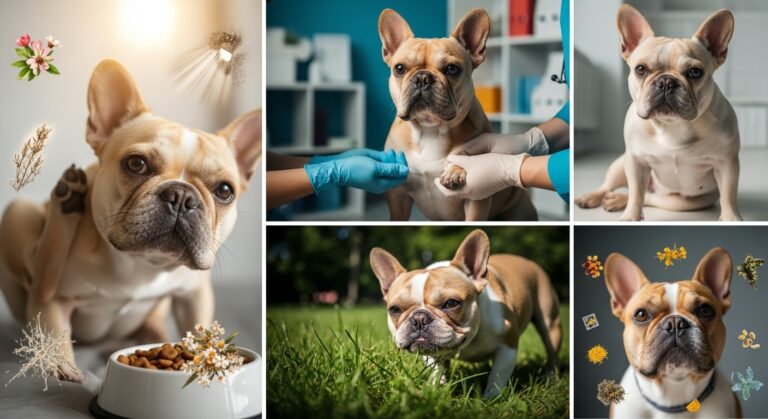
French Bulldogs are often itchy, gassy, red-eared, paw-licking, skin-fold-irritated dogs, and owners naturally wonder whether food is the cause. Sometimes diet matters. Many times, the real answer also involves fleas, environmental allergy, infection, yeast, ear disease, skin folds, or contact irritation. This guide explains how to stop guessing and use diet changes more intelligently.
Quick answer
French Bulldog allergies should not be diagnosed by switching foods repeatedly. Itching, ear odor, paw licking, vomiting, diarrhea, and red skin can come from food, fleas, environmental allergy, infection, yeast, skin folds, or other problems. The safest path is a veterinary exam, symptom log, strict diet trial when recommended, and no treats or flavored extras that invalidate the trial.
When to call a veterinarian first
Call your veterinarian before experimenting if your French Bulldog has repeated vomiting, diarrhea, blood in stool, appetite loss, poor growth, sudden weight change, severe itching, ear pain, breathing difficulty, blue or pale gums, collapse, heat distress, eye injury, obvious pain, seizures, or extreme lethargy. A short-muzzled dog can deteriorate quickly, so the safest plan is to treat breathing trouble, heat stress, collapse, and severe gastrointestinal signs as urgent.

What this guide helps you do
- Get a direct answer without exaggerated promises.
- Separate everyday owner decisions from veterinary warning signs.
- Use practical tables, routines, and examples that are easy to apply.
- Choose products only when they support safety, fit, hygiene, training, or monitoring.
Key topics covered
French Bulldog allergiesfood allergyfood intoleranceelimination diethydrolyzed proteinnovel proteinitch scoreear infectionpaw lickingskin foldsyeastflea allergyenvironmental allergydiet trial
Food allergy versus everything else
Food allergy gets blamed for almost every itchy Frenchie, but skin disease has many causes. A dog can have environmental allergy and food intolerance at the same time. A dog can also have yeast or bacterial infection that needs treatment before any diet result is clear. Ear odor, greasy skin, red folds, scooting, paw chewing, and belly rash are signals to collect—not proof that chicken, beef, or grains are the villain.
Food intolerance is different from immune-mediated food allergy. Intolerance may show as digestive upset after certain ingredients. Allergy often involves skin signs, ear signs, or gastrointestinal signs and requires a structured approach. Owners cannot confirm either by reading a list of “common allergens” and changing foods every week.
The most useful first step is documentation. Take photos in the same lighting, rate itching from 0 to 10, log stool quality, record ear odor, note treats and chews, and list all flavored medications or supplements. This makes the veterinary conversation much more productive.
What a real diet trial looks like
A diet trial is strict. Your veterinarian may recommend a hydrolyzed diet, a novel-protein diet, or another controlled plan. The point is to remove suspected triggers long enough to see whether signs improve, then use a structured recheck or challenge plan. If the dog receives random treats, dental chews, table scraps, flavored pills, peanut butter, or another pet’s food, the trial may not answer the question.
Owners often quit too early because itching does not disappear in three days. Skin and ear disease may need concurrent treatment, and inflammation can take time to calm. Your veterinarian should tell you how long the trial should run, what counts as a failure, and what to do if symptoms worsen.
No online hair, saliva, or ingredient-sensitivity shortcut can replace a controlled diet trial and veterinary assessment. The goal is not to collect a long forbidden-food list. The goal is to identify what actually matters for your dog.
Diet changes that make allergy workups worse
Constant food rotation makes patterns harder to interpret. If a Frenchie eats chicken kibble on Monday, salmon toppers on Tuesday, beef treats on Wednesday, a new probiotic on Thursday, and a different food on Friday, there is no clean data. The owner feels busy, but the dog’s records become meaningless.
Overly restrictive diets can also create problems. Removing many ingredients without ensuring nutrient balance can leave the dog on an incomplete diet. This is especially risky for puppies. A restricted diet should be temporary and purposeful unless a professional has formulated it for long-term feeding.
Social media lists of “never feed this breed” can encourage fear without context. Some dogs do poorly with a specific ingredient. That does not make the ingredient universally bad for all French Bulldogs.
Skin, ears, paws, and folds: diet is only one layer
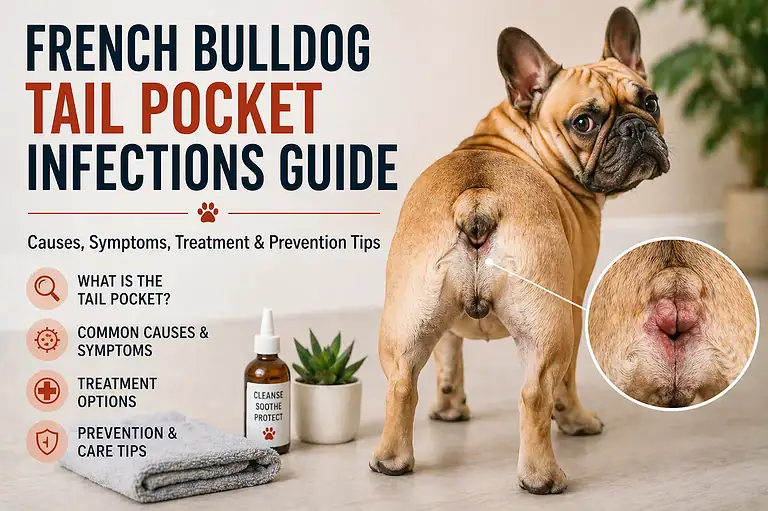
French Bulldogs need routine skin-fold and ear awareness. Moisture, friction, yeast, and bacteria can create discomfort even when the food is fine. If the face folds, tail pocket, paws, or ears smell bad, look red, ooze, crust, or hurt, call your veterinarian. Diet alone will not clean or medicate an infected fold.
Flea control matters even for indoor dogs. A flea-allergic dog can react intensely to limited exposure. Environmental allergies can also flare seasonally or year-round. If the timing matches pollen, dust, grass, humidity, or new cleaning products, food may not be the only suspect.
This is why the best allergy page for French Bulldog owners should connect diet, grooming, environment, veterinary diagnosis, and symptom tracking instead of selling one food as the answer.
How to choose allergy-supportive products safely
Product recommendations should support the plan, not replace it. A food scale helps keep the diet trial consistent. Storage containers reduce accidental mixing. Gentle grooming products may help routine cleaning if the veterinarian agrees, but medicated products should be chosen with professional guidance.
Avoid adding supplements during a diet trial unless your veterinarian approves them. Many supplements are flavored or contain proteins that can interfere with the trial. Even “natural” products can confuse results.
If a product box appears on an allergy page, it should explain why the tool supports tracking or hygiene, not claim to cure allergies. That is the difference between helpful affiliate monetization and unsafe advice.
A seven-day symptom record that makes allergy visits easier
For one week, record the same details every day: food, treats, chews, medications, stool quality, itch score, ear odor, paw licking, skin redness, baths, wipes, outdoor exposure, and sleep quality. Take photos of the same body areas in similar light. This record does not diagnose the dog, but it helps your veterinarian see patterns that memory often misses.
Use a simple itch scale from 0 to 10. Zero means no scratching or licking beyond normal grooming. Ten means the dog cannot settle because of itching or is damaging the skin. Write the number down once in the morning and once at night. If the score is high, if the skin is broken, or if the dog seems painful, do not wait for the week to end.
Include everything that goes into the mouth. Diet trials often fail because owners remember the food but forget dental chews, pill pockets, flavored preventives, peanut butter, table scraps, training treats, broth, and another pet’s bowl. The more complete the record, the less guessing happens later.
- Food brand and exact formula.
- All treats, chews, toppers, and flavored products.
- Stool score and frequency.
- Itch score morning and night.
- Photos of paws, belly, ears, folds, and any red areas.
How to protect the diet trial once it starts
A diet trial is easiest when the whole household understands the rules. Put the approved food and approved treats in one visible place. Put a note on the fridge saying the dog is on a strict food trial. Tell visitors not to feed the dog. Keep other pets’ food out of reach. One well-meaning snack can restart the question.
Measure every meal and keep the trial boring. Boring is the point. A strict trial reduces variables so the response means something. If the dog improves, your veterinarian can decide what the result suggests. If the dog does not improve, that information is useful too because it pushes the investigation toward other causes.
If symptoms flare during the trial, do not automatically blame the trial food. Infections, fleas, pollen, humidity, contact irritation, and ear disease can flare independently. Call your veterinarian and report exactly what changed and when.
How to keep allergy advice from becoming fear-based feeding
French Bulldog owners can become afraid of food after months of itching, ear infections, and conflicting advice. One group says chicken is the problem. Another blames grain. Another blames kibble, yeast, peas, beet pulp, or every ingredient except one rare protein. Fear-based feeding can push owners into unbalanced diets, expensive rotations, and constant changes that never answer the original question.
The calmer approach is to separate known facts from guesses. Known facts include what the dog eats, what symptoms appear, what the veterinarian has diagnosed, and what happened during any strict trial. Guesses include ingredient lists copied from forums, breed-wide forbidden foods, and assumptions based on one flare after one meal. Write the known facts down and let them guide the next step.
Allergy workups are slower than owners want, but speed is not the main goal. The main goal is a reliable answer. If the dog improves under a strict trial, that is useful. If the dog does not improve, that is also useful because it tells you to look harder at environment, infection, parasites, skin folds, ears, or another medical cause.
- Do not label an ingredient as an allergy without a controlled process.
- Do not rotate foods weekly in search of a miracle.
- Do photograph symptoms before and during treatment.
- Do ask whether skin or ear infection needs treatment.
- Do keep the whole household aligned during a trial.
Common reader situations and the safest next step
My Frenchie licks paws constantly
Paw licking can come from allergy, yeast, bacteria, contact irritation, pain, anxiety, or habit. Look for redness, swelling, odor, brown staining, limping, or sensitivity. If the paws look inflamed or the licking is intense, schedule a veterinary exam.
Diet may be part of the answer, but so may foot cleaning after grass exposure, parasite control, infection treatment, or environmental management.
My Frenchie has recurring ear issues
Recurring ear odor, discharge, redness, scratching, or head shaking should not be managed only by changing food. Ear disease can be painful and often needs diagnosis. Allergies may contribute, but infection and inflammation still need treatment.
Ask your veterinarian whether cytology, medication, allergy workup, or diet trial is appropriate. Do not pour random cleaners into painful ears.
My dog improved on a new food
Improvement is useful information, but do not overstate it. The dog may have improved because treats were removed, calories changed, fat content changed, infection was treated, or the flare ended naturally.
Keep the food stable, document the change, and ask your veterinarian how to interpret it. If signs return, you will have a clearer baseline.
My family keeps breaking the diet trial
A diet trial fails when the household treats it casually. Put approved food in one area, remove unapproved treats, explain the rules to children and visitors, and use a visible note on the fridge.
If the dog receives an unapproved food, write it down. Honesty helps your veterinarian decide whether the trial needs to be extended or restarted.
Fast decision table
| Sign | Could be related to | Best next step |
|---|---|---|
| Paw licking | Allergy, yeast, irritation, pain, habit | Photograph, log timing, vet exam if persistent. |
| Ear odor | Ear infection, allergy, moisture, yeast | Vet exam before assuming food is the cause. |
| Soft stool | Food intolerance, parasites, infection, rapid change | Track food changes and call vet if repeated. |
| Red folds | Moisture, friction, infection, allergy | Keep routine care gentle and ask vet about redness or odor. |
| Itch after many foods | Environmental allergy or uncontrolled variables | Stop random switching and ask about a structured plan. |
Best products to consider
These Amazon product boxes are included only where they support the article’s advice. They use the affiliate tracking ID papalex-20. Always confirm the exact item, size, material, ingredients, seller, and suitability for your dog before buying.
Food scale for diet trials
A scale keeps meals consistent during a trial and prevents treat drift from ruining the data.
- Use grams, not handfuls.
- Record daily intake.
- Do not add unapproved extras during a strict trial.
Affiliate disclosure: this link uses Amazon Associates tracking ID papalex-20. The embedded Amazon unit below is designed to render current Amazon product images and listings for this exact shopping intent when scripts are allowed in your browser.
Airtight dog food storage container
Separate, labeled storage can reduce accidental mixing when one dog is on a controlled diet.
- Label the trial food.
- Keep treats and other foods separate.
- Wash scoops between foods.
Affiliate disclosure: this link uses Amazon Associates tracking ID papalex-20. The embedded Amazon unit below is designed to render current Amazon product images and listings for this exact shopping intent when scripts are allowed in your browser.
Gentle dog wipes for routine paw and fold cleaning
Wipes can support routine hygiene after walks when your veterinarian says the skin is not infected or painful.
- Avoid fragrances if your dog reacts easily.
- Do not use on open sores.
- Call your vet for redness, odor, swelling, or discharge.
Affiliate disclosure: this link uses Amazon Associates tracking ID papalex-20. The embedded Amazon unit below is designed to render current Amazon product images and listings for this exact shopping intent when scripts are allowed in your browser.
Step-by-step owner plan
- Write down your dog’s age, current weight, ideal-weight goal if known, medical conditions, and current routine.
- Make one change at a time so you can tell what helped or hurt.
- Track symptoms with dates, photos, stool notes, appetite, breathing, skin, ears, and behavior.
- Use veterinary guidance for persistent, severe, or confusing signs rather than repeating internet experiments.
- Update the routine every few weeks based on your dog’s actual response, not on trend language.
Common mistakes to avoid
- Treating breed averages as rules for every individual dog.
- Changing food, gear, supplements, training, and schedule all at once.
- Ignoring heat, breathing, pain, or severe digestive signs because the dog still seems playful.
- Buying products because they look cute rather than because they fit the dog safely.
- Using affiliate recommendations as medical advice.
- Keeping old clickbait claims, fake statistics, or unsupported promises on a page that should build trust.
Frequently asked questions
What foods are French Bulldogs most allergic to?
Any individual dog can react differently. Commonly discussed proteins include chicken, beef, dairy, and others, but you should not diagnose based on lists. Use a veterinary diet trial.
How long does a food allergy trial take?
Your veterinarian will set the timeline. It usually requires strict consistency for weeks, not a few days.
Can I give treats during an elimination diet?
Only treats specifically approved for the trial. Regular treats, chews, flavored medications, and table scraps can invalidate the result.
Is grain the main allergy problem in Frenchies?
Not necessarily. Grain is often blamed online, but food reactions are individual. Do not remove ingredients randomly without a balanced plan.
Can allergies cause ear infections?
Allergies can contribute to ear problems, but ear odor, pain, discharge, or redness needs veterinary assessment.
Should I switch food every time my Frenchie itches?
No. Repeated switching creates confusion. Track signs, rule out other causes, and ask your veterinarian about a structured plan.
Sources and further reading
- CAVD elimination diet handout
- WSAVA Global Nutrition Guidelines
- AVMA emergency signs
- CDC pet food safety
Editorial note
This FrenchyFab guide is written for practical owner education. It avoids fake statistics, fake product testing, invented case studies, and medical promises. Use it to organize better questions, safer routines, and smarter product choices, not to replace diagnosis or treatment from your veterinarian.
Last updated: May 31, 2026. Affiliate disclosure: As an Amazon Associate, FrenchyFab may earn from qualifying purchases through links that use tracking ID papalex-20.

Frenchy Fab editorial profile focused on practical French Bulldog owner guidance, safety-aware care routines, nutrition, puppy care, grooming, training, and transparent product-review methodology. Content is educational and does not replace veterinary diagnosis or treatment.