
Quick answer: French Bulldog digestive problems are common search topics because Frenchies may eat quickly, swallow air, react poorly to sudden diet changes, and have overlapping airway, allergy, and stomach symptoms. Mild short-term gas or soft stool can happen, but repeated vomiting, blood, severe diarrhea, weakness, pain, appetite loss, collapse, suspected toxin ingestion, or symptoms in a puppy need veterinary help.
This guide is designed as the main FrenchyFab digestive symptoms hub. It covers vomiting, throwing up white foam, yellow liquid, diarrhea, gas, farts, food changes, stool tracking, red flags, puppy concerns, fast eating, allergy confusion, and internal links to food, puppy nutrition, weight, breathing, and allergy guides.
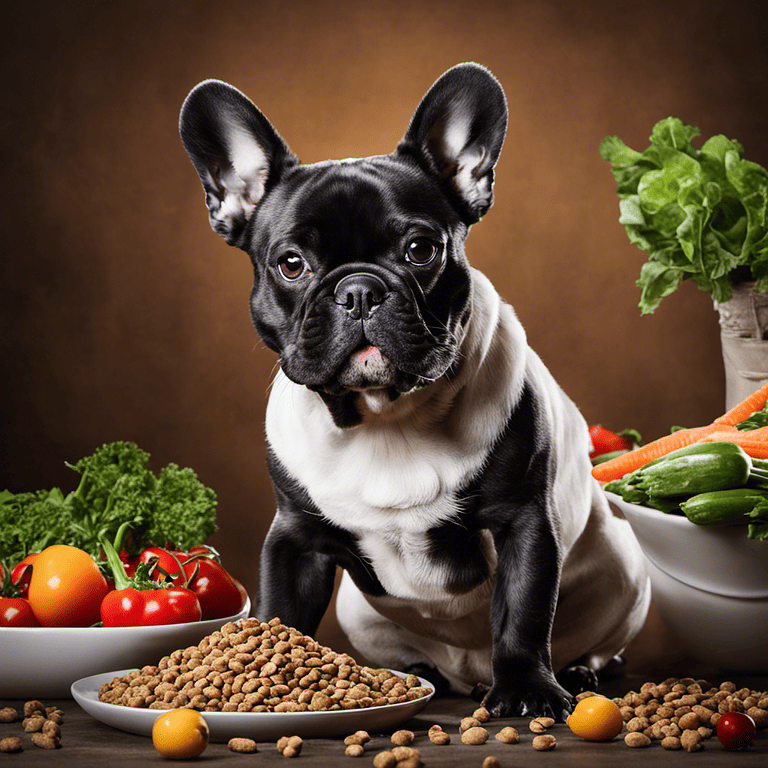
Digestive Red Flags
- Repeated vomiting or inability to keep water down.
- Blood in vomit or stool, black tar-like stool, or severe watery diarrhea.
- Weakness, collapse, pale gums, severe pain, bloating, or distress.
- Vomiting plus breathing trouble, heat exposure, or suspected choking.
- Suspected toxin, foreign object, medication, or unsafe food ingestion.
- Diarrhea or vomiting in a young puppy, senior dog, or medically fragile dog.
Why French Bulldogs Get Digestive Problems
French Bulldogs can develop digestive signs for ordinary reasons and serious reasons. Ordinary triggers include sudden food changes, too many treats, rich chews, table scraps, excitement, stress, eating too fast, or drinking a lot after exercise. More serious causes can include parasites, infections, pancreatitis, inflammatory bowel disease, obstruction, toxin exposure, organ disease, medication reactions, or complications linked to airway and regurgitation problems.
The mistake is assuming every episode is “just a sensitive stomach.” A single soft stool after a new treat may be easy to explain. Repeated vomiting, worsening diarrhea, pain, blood, lethargy, poor appetite, or symptoms in a puppy are not normal training or nutrition problems. They are veterinary problems.
French Bulldog Diarrhea
Diarrhea means stool is looser, wetter, more frequent, or less controlled than normal. It may follow a diet change, stress, parasites, infection, rich treats, food intolerance, or another disease. The first question is severity. Is your dog bright, drinking, and acting normal with one mildly soft stool? Or is there blood, repeated watery stool, vomiting, weakness, pain, fever, or dehydration risk?
For mild short-term digestive upset, stop adding new foods, keep fresh water available, and write down exactly what changed. Do not keep rotating foods in panic. Constant switching can prevent the gut from settling and makes patterns impossible to see. Call your veterinarian if diarrhea persists, is severe, includes blood, occurs in a puppy, or comes with vomiting, weakness, appetite loss, or pain.
French Bulldog Vomiting
Vomiting is active expulsion from the stomach and often includes retching or abdominal effort. Regurgitation is more passive and may happen soon after eating or drinking. Owners often use the same word for both, but the distinction helps veterinarians. French Bulldogs may gag, cough, regurgitate, or vomit, and the cause can involve food, stomach irritation, airway anatomy, reflux, eating speed, heat, or illness.
Repeated vomiting is risky because dogs can dehydrate, aspirate, or worsen quickly depending on cause. Call your veterinarian for repeated vomiting, vomiting with diarrhea, blood, severe lethargy, abdominal pain, bloating, suspected toxin ingestion, or any breathing difficulty.
Throwing Up White Foam
White foam can appear when a dog vomits saliva and stomach fluid, coughs or gags, has an empty stomach, experiences reflux, or has irritation. A single brief episode in a dog who immediately acts normal may not be an emergency, but repeated white foam, distress, coughing, collapse, bloating, or breathing trouble changes the urgency. In French Bulldogs, try to record whether the episode looked like coughing, reverse sneezing, gagging, regurgitation, or true vomiting.
Yellow Liquid or Bile
Yellow fluid often suggests bile-stained stomach contents, which can happen when the stomach is empty or irritated. Some dogs vomit yellow liquid early in the morning or between meals, but do not diagnose this yourself if it repeats. Meal timing, food type, reflux, medications, pancreatitis, intestinal disease, or other problems can be involved. Ask your veterinarian if the pattern persists.
French Bulldog Gas and Farts
French Bulldogs are famous for gas, but constant foul flatulence is not something to ignore. Gas can come from swallowed air, fast eating, diet composition, sudden food changes, rich treats, low digestibility, stress, parasites, or gastrointestinal disease. A slow feeder may help a dog that gulps food, but it will not fix infection, allergy, pancreatitis, or a poorly tolerated diet.
To troubleshoot gas, log the food and all extras for seven days. Include dental chews, bully sticks, flavored medications, peanut butter, cheese, table scraps, training treats, and toppers. Reduce unnecessary extras before changing the main diet. If gas comes with diarrhea, vomiting, pain, poor appetite, or weight loss, call your vet.

Food Changes and Sensitive Stomach Mistakes
One of the biggest owner mistakes is changing food every time stool changes. French Bulldogs can have sensitive digestion, but random switching often creates the problem owners are trying to solve. When a food change is appropriate, transition gradually unless your veterinarian instructs otherwise. A common method is to mix increasing amounts of the new food over several days while watching stool, appetite, skin, ears, and energy.
Do not chase marketing phrases first. “Grain-free,” “raw,” “limited ingredient,” “fresh,” or “premium” does not automatically mean better for your dog. The best food is complete and balanced, digestible, appropriate for life stage, made by a company with strong quality control, and tolerated by your individual Frenchie. Dogs with suspected allergies or chronic digestive problems may need a veterinary diet trial, not another guess from a shelf.
Puppy Digestive Problems
Puppies deserve special caution. A French Bulldog puppy with diarrhea or vomiting can dehydrate faster than an adult. New-home stress, parasites, food changes, treats, vaccines, and infections can all affect stool. Keep the breeder’s or rescue’s food temporarily when bringing a puppy home unless your veterinarian says otherwise. Introduce treats slowly and keep training rewards tiny.
Call a veterinarian promptly if a puppy has repeated diarrhea, vomiting, blood, weakness, poor appetite, bloating, pain, or behavior that seems off. Do not wait several days with a young puppy who is getting worse.
Digestive Tracking Template
| What to track | Example |
|---|---|
| Food and grams | Brand, recipe, amount per meal. |
| Treats and chews | Type, number, size, timing. |
| Vomiting | Time, color, foam, food, bile, effort. |
| Stool | Firm, soft, watery, mucus, blood, frequency. |
| Activity and heat | Walk length, weather, panting, recovery. |
| Behavior | Energy, appetite, pain, restlessness. |
When to Call a Vet
Call your veterinarian if symptoms are repeated, severe, unexplained, or paired with other changes. Bring the tracking log and, when appropriate, photos of stool or videos of vomiting, gagging, coughing, or regurgitation. This is not gross; it is useful medical information. The clearer the pattern, the faster your vet can decide what to check.
Internal Links to Add in WordPress
Link this digestive hub to FrenchyFab nutrition, puppy nutrition, food allergy, sensitive stomach food, weight management, breathing issues, overheating, and grooming articles. Use anchors such as “French Bulldog nutrition,” “French Bulldog puppy feeding schedule,” “best food for French Bulldogs with sensitive stomach,” “French Bulldog breathing problems,” and “French Bulldog allergies.”
Helpful Sources
- WSAVA Global Nutrition Guidelines
- Merck Veterinary Manual: Digestive Disorders of Dogs
- AAHA Nutrition and Weight Management Guidelines
Stool Score Guide for French Bulldog Owners
Owners often say “diarrhea” for every stool that is not perfect. A stool score makes the conversation clearer. A very hard, dry stool can suggest dehydration, low fiber tolerance, or constipation. A firm formed stool is usually the target. A soft log may happen with minor diet variation. Pudding-like stool, watery stool, mucus, blood, or repeated urgent stool deserves closer attention. Photographing abnormal stool for your veterinarian may feel awkward, but it can be genuinely helpful.
Track frequency too. One soft stool after a new treat is different from six urgent stools overnight. Also track straining. Straining with little stool can look like constipation but may also occur with colitis or irritation. If your dog is painful, bloated, weak, or repeatedly straining, call your vet.
How to Run a Seven-Day Food and Symptom Audit
Before changing foods, run a simple audit. For seven days, write down every meal, gram amount, treat, chew, topper, table scrap, medication, supplement, walk, heat exposure, stressful event, stool quality, gas level, and vomiting or gagging episode. Most owners discover at least one hidden variable: a dental chew, a flavored medication, a peanut-butter lick mat, children dropping snacks, or a weekend food change.
After seven days, look for timing. Does gas happen after one chew? Does diarrhea follow daycare? Does vomiting happen early morning before breakfast? Does gagging happen after fast meals or leash pulling? These patterns do not diagnose disease, but they help you and your veterinarian choose the next step with less guessing.
Fast Eating, Aerophagia, and Gassy Frenchies
Many French Bulldogs eat with enthusiasm. Fast eating can increase swallowed air, and swallowed air can contribute to burping, bloating sensations, and gas. A shallow slow feeder, puzzle feeding, smaller meals, or spreading food over a safe mat may help some dogs slow down. Choose products that are easy to clean and not so deep that a short-nosed dog struggles to reach food comfortably.
Do not use slow feeders as a substitute for veterinary care. If your dog has repeated vomiting, retching, severe gas with pain, diarrhea, weight loss, poor appetite, or sudden behavior change, the issue is not simply eating style.
Food Allergy, Food Intolerance, or Environmental Allergy?
French Bulldog owners often blame food first when they see itchy paws, ear infections, red skin, gas, or loose stool. Food can be involved, but it is not the only explanation. Environmental allergies, parasites, yeast, bacterial infection, contact irritation, poor skin-fold drying, and digestive disease can create overlapping signs. This is why random ingredient switching often disappoints owners.
A true elimination diet trial must be strict. That means no unapproved treats, flavored chews, table scraps, toppers, or flavored medications during the trial period. If a veterinarian recommends a hydrolyzed or novel-protein diet trial, follow the rules carefully. One bite of another protein can muddy the results. If you cannot maintain the trial in a busy household, tell your vet so the plan can be realistic.
What to Feed During Mild Upset
Many owners reach for rice, chicken, pumpkin, probiotics, or fasting. These may or may not be appropriate depending on the dog, age, severity, and medical history. Puppies, diabetic dogs, dogs with pancreatitis risk, dogs on medication, and dogs with repeated vomiting need individualized guidance. Before using home remedies, call your veterinary clinic and explain the symptoms. They can tell you whether home monitoring is reasonable or whether your dog should be seen.
The safest universal advice is to stop new extras, keep water available, prevent access to trash or unsafe foods, and monitor closely. If symptoms escalate or red flags appear, seek veterinary care.
French Bulldog Digestive Myths
Myth: Grain-free food fixes every stomach problem. Better answer: grain-free is not automatically easier to digest or healthier. Choose food based on evidence, life stage, quality control, and your dog’s response.
Myth: Raw food is always natural and better. Better answer: raw diets can carry bacterial risks and may be nutritionally unbalanced if not formulated properly. Discuss raw or home-cooked diets with a veterinary nutrition professional.
Myth: Farts are just a Frenchie personality trait. Better answer: occasional gas may happen, but persistent foul gas with other symptoms needs investigation.
Myth: If stool improves for one day, the problem is solved. Better answer: patterns matter. Track for recurrence, triggers, and associated signs.
When Digestive Problems Are Really a Pattern Problem
Many French Bulldog digestive cases look random until the owner writes them down. Monday diarrhea may follow Sunday bully sticks. Morning yellow fluid may follow a long overnight gap between meals. Gas may follow a specific training treat. Vomiting may happen after excited play immediately after dinner. Loose stool may appear every time the dog goes to daycare. These patterns are easy to miss when you rely on memory.
A pattern does not prove a diagnosis, but it makes the next decision smarter. Instead of switching food blindly, you may discover that the main food is stable and the weekend extras are the issue. Or you may see that stool stays poor even with a stable diet, which supports calling your vet sooner. Good tracking reduces wasted money and prevents unnecessary diet hopping.
Questions to Ask Your Veterinarian About Chronic Digestive Signs
- Could parasites, infection, or stool testing be relevant?
- Is this vomiting, regurgitation, gagging, coughing, or reflux?
- Should we discuss pancreatitis risk, food trial, imaging, or bloodwork?
- Could treats, chews, supplements, or flavored medications be interfering?
- Is a hydrolyzed diet or veterinary diet trial appropriate?
- What symptoms should make me go to urgent care instead of waiting?
- How long should I monitor before reporting back?
Bring the food label, treat names, supplement list, medication list, and symptom log. Veterinary digestive workups become easier when the clinic can see exactly what went into the dog and exactly what came out.
How to Connect This Page to Monetization Safely
This page can support monetization without pretending that a product cures digestive disease. Good commercial links for this topic are general tools: a shallow slow feeder for fast eaters, a digital kitchen scale for accurate portions, stainless steel bowls that are easy to clean, airtight food storage, and washable feeding mats. Avoid claiming that a bowl, supplement, probiotic, or food will cure vomiting, diarrhea, allergies, or medical disease unless you have veterinary evidence and product-specific substantiation.
If you add Amazon boxes later, use exact ASINs, current product images from Amazon SiteStripe or the Product Advertising API, your affiliate tag, and a visible disclosure. Do not use random product photos from Google Images. Do not show live prices unless they update automatically. Product accuracy protects trust, affiliate compliance, and reader safety.
Frequently Asked Questions
Why is my French Bulldog vomiting?
Vomiting can come from diet change, eating too fast, irritation, infection, parasites, toxins, pancreatitis, foreign material, or many other causes. Repeated vomiting or vomiting with weakness, blood, pain, or breathing trouble needs veterinary care.
Why does my Frenchie throw up white foam?
White foam can occur with stomach irritation, empty stomach, reflux, coughing, or other issues. If it repeats, worsens, or comes with distress, call your vet.
What should I do if my French Bulldog has diarrhea?
Monitor mild short-term diarrhea, keep water available, and avoid sudden diet changes. Call your vet for blood, repeated diarrhea, vomiting, weakness, puppy diarrhea, or symptoms lasting more than a short period.
Are French Bulldog farts normal?
Some gas can happen, especially with fast eating or diet changes, but frequent foul gas, pain, diarrhea, vomiting, or weight loss should be discussed with a vet.
Can food allergies cause digestive problems?
Food reactions can affect some dogs, but many Frenchie skin and stomach symptoms are not true food allergies. Diagnosis should be guided by a veterinarian.
Should I switch food when my Frenchie has diarrhea?
Do not keep switching foods randomly. Sudden changes can worsen diarrhea. Ask your vet about a plan if symptoms persist or are severe.
Can a slow feeder help French Bulldog gas?
A slow feeder may help fast eaters swallow less air, but it is not a cure for medical digestive problems.
When is vomiting or diarrhea an emergency?
Emergency signs include collapse, weakness, repeated vomiting, blood, severe pain, bloating, pale gums, breathing distress, suspected toxin ingestion, or symptoms in a very young puppy.
How do I track digestive problems?
Record food, treats, chews, meal timing, stool score, vomiting time, activity, heat, stress, and any new products or medications.
Can breathing and digestion be connected in French Bulldogs?
Some short-nosed dogs can have overlapping airway and digestive signs such as gagging, regurgitation, or exercise-related distress, so recurring patterns deserve veterinary review.

Frenchy Fab editorial profile focused on practical French Bulldog owner guidance, safety-aware care routines, nutrition, puppy care, grooming, training, and transparent product-review methodology. Content is educational and does not replace veterinary diagnosis or treatment.