
Frenchy Fab rewrite pack
Who this is for / not for
Your Frenchie barks, chews, jumps, ignores cues, guards items, panics alone, regresses with potty habits, or struggles around dogs or visitors.
Do not use this article for severe bites, sudden aggression, seizures, collapse, pain, injury, or panic that causes self-harm. Contact a veterinarian, veterinary behaviorist, or qualified force-free trainer.
Clear definition
A French Bulldog behavior problem is a repeated behavior that interferes with safety, welfare, training, or daily life. It may be caused by normal learning, accidental reinforcement, under-enrichment, fear, frustration, separation distress, pain, itch, digestive discomfort, heat strain, or airway fatigue. The best plan identifies the cause before choosing a fix.



Problem-to-cause decision table
| Behavior | Possible causes | First safe fix | Vet/trainer red flag |
|---|---|---|---|
| Excessive barking | Noise sensitivity, boredom, window rehearsal, separation distress | Block triggers, reward quiet, add scent work, teach settle | Panic, aggression, or sudden onset |
| Chewing furniture | Teething, boredom, anxiety, lack of legal chews | Rotate safe chews, increase enrichment, supervise | Destructive panic when alone |
| Ignoring cues | Session too long, low reward, heat, confusion | Use 2-3 minute sessions and reward fast responses | Lethargy, pain, poor recovery |
| Potty regression | Schedule drift, UTI, diarrhea, stress, marking | Restart schedule and clean with enzymatic cleaner | Pain, blood, frequent straining, repeated diarrhea |
| Growling/guarding | Fear of losing resources, pain, history of pressure | Trade-up games, management, no punishment | Bite history or guarding children/people |
| Dog reactivity | Fear, frustration, poor exposure, leash tension | Increase distance, reward calm observation | Lunging, biting, escalating panic |
Practical framework: the H.E.A.L. behavior model
Sudden behavior change can reflect pain, itch, infection, digestive upset, heat stress, airway fatigue, or vision problems. Start with the health red flag guide when changes are abrupt.
Reduce rehearsal. Block windows, remove triggers, add rest areas, manage guests, and avoid dog parks if they create stress.
Change what happens before the behavior. Distance, timing, leash setup, and household patterns matter.
Reward the replacement behavior: settle on mat, look at owner, chew legal item, potty outside, enter crate, or disengage from triggers.
Step-by-step 14-day behavior reset
Pick one behavior
Do not fix barking, leash pulling, potty regression, and crate crying at the same time. Choose the most urgent safety or welfare issue.
Define the behavior clearly
Write what happens, when, where, and what happens immediately after. “Bad” is not a behavior; “barks at hallway noises for 90 seconds” is.
Remove rehearsal
Use gates, blinds, white noise, schedule changes, leashes, crates, or safe rooms to prevent constant practice of the problem.
Add the replacement
Teach one alternative: quiet on mat, look at me, touch, go to bed, chew this, potty outside, or relax in crate.
Reward tiny wins
Reward early signs: one second of quiet, one glance away, one step into crate, one calm sniff, or one successful potty trip.
Review health and triggers
If the behavior is sudden, worsening, linked to touch, linked to eating, or paired with lethargy, schedule veterinary input.
Examples by situation
Block the door gap, play neutral background noise, reward one-second pauses, and practice “find it” away from the door.
Do not let the dog cry it out. Start with seconds of calm separation and return before panic. Pair with the crate training guide if the crate is safe and positive.
Use a harness, increase distance, reward looking at the trigger calmly, and leave before barking escalates.
Restart the potty training schedule, clean with enzymatic cleaner, and screen for medical causes if accidents are frequent or sudden.
Common mistakes and troubleshooting
- Punishing growling: Growling is information. Punishing it can remove the warning while leaving the fear.
- Training too long: Short sessions work better for Frenchies than endurance-style drills.
- Ignoring pain: Skin, ears, teeth, spine, eyes, GI upset, and airway strain can all change behavior.
- Overusing dog parks: Dog parks are not required socialization and can make reactivity worse.
- Using generic advice: Route readers to French Bulldog socialization guide, French Bulldog crate training guide, French Bulldog potty training guide, and French Bulldog Health 101 guide based on the root issue.
Quote-ready answer bank
Do not ask “how do I stop this?” before asking “what is causing this?”
Two to three minutes of focused positive training repeated daily beats one long frustrating session.
Sudden behavior change, touch sensitivity, potty regression, or aggression deserves health screening.
Teach a calm action your dog can actually do: settle, look at me, go to mat, chew this, or move away.
Recommended French Bulldog gear for this guide
papalex-20. Each card uses an exact ASIN-specific Amazon link and a relevant product image for the product shown. Prices, availability, packaging, ratings, and images can change, so verify the final display through Amazon SiteStripe, Product Advertising API, or your Amazon Associates plugin before publishing.These products are practical support tools, not shortcuts. Choose items that fit your Frenchie’s size, breathing comfort, skin sensitivity, chewing style, and veterinary needs.

Best for: Calm enrichment
LickiMat Classic Buddy Slow Feeder Dog Lick Mat
A lick mat can turn a small amount of dog-safe food into a calm enrichment activity. Use low-calorie toppings and include the calories in the daily food total.
- Good fit: Good for calm routines, nail-trim practice, and decompression after outings.
- Skip if: Skip for dogs that chew or swallow silicone or rubber surfaces.

Best for: Puppy chewing
KONG Puppy Natural Rubber Chew Toy
A classic puppy chew toy for redirecting teething and building calm routines. Match the size to your dog and remove it if damaged.
- Good fit: Good for supervised chew sessions and food-stuffed enrichment.
- Skip if: Skip if your dog breaks off pieces or has a known material sensitivity.
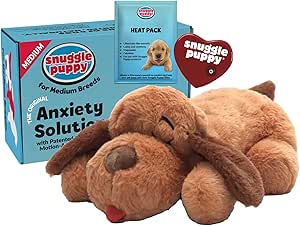
Best for: New puppy settling
Snuggle Puppy Heartbeat Behavioral Aid Toy
A soft comfort toy with heartbeat-style support for some puppies during early transitions. Use only under appropriate supervision and remove if your dog chews fabric aggressively.
- Good fit: Good for supervised settling routines and first-night comfort.
- Skip if: Skip if your Frenchie destroys plush toys or guards soft items.

Best for: Walks and training
rabbitgoo No-Pull Dog Harness with 2 Leash Clips
A front-and-back clip harness option for controlled walks. For French Bulldogs, fit matters more than brand: avoid pressure on the throat and check shoulder movement.
- Good fit: Good for short, temperature-safe walks and training sessions.
- Skip if: Skip any harness that rubs armpits, restricts breathing, or changes your dog’s gait.

Best for: Accident cleanup
Nature’s Miracle Advanced Stain and Odor Eliminator Spray
An enzymatic cleaner for dog messes. It is useful during housebreaking because ordinary cleaners may leave odor cues that invite repeat accidents.
- Good fit: Good for carpets, washable surfaces, and training cleanup when used according to label directions.
- Skip if: Skip on delicate materials until you spot-test an unseen area.
Helpful video
Use this as visual support, then follow the breed-specific safety notes in this article.
Frequently asked questions
Why is my French Bulldog suddenly acting out?
Sudden behavior change can come from pain, itch, ear issues, digestive upset, stress, fear, schedule change, heat strain, or learned behavior. If the change is abrupt, severe, or paired with physical symptoms, start with a veterinary check.
Are French Bulldogs stubborn?
They can look stubborn when confused, overheated, tired, under-rewarded, or uninterested. Use short sessions, clear cues, strong rewards, and easy wins before increasing difficulty.
How do I stop French Bulldog barking?
Identify the trigger first. Manage the environment, reduce rehearsal, reward quiet moments, add enrichment, and teach a replacement behavior. If barking happens with panic, aggression, or separation distress, get qualified help.
Can behavior problems be caused by health issues?
Yes. Skin irritation, ear pain, dental disease, eye pain, spine discomfort, GI upset, and airway fatigue can affect behavior. Sudden or escalating problems deserve veterinary input.
Should I use punishment for French Bulldog behavior problems?
Avoid punishment for fear, anxiety, guarding, aggression, or panic. It can worsen stress and damage trust. Use management, positive reinforcement, and professional help for safety issues.
Sources and further reading

Frenchy Fab editorial profile focused on practical French Bulldog owner guidance, safety-aware care routines, nutrition, puppy care, grooming, training, and transparent product-review methodology. Content is educational and does not replace veterinary diagnosis or treatment.