
House Training a French Bulldog Puppy: Potty Schedule, Crate Routine, and Accident Troubleshooting
House-train a French Bulldog puppy with a clear potty schedule, crate routine, reward timing, apartment tips and accident troubleshooting.
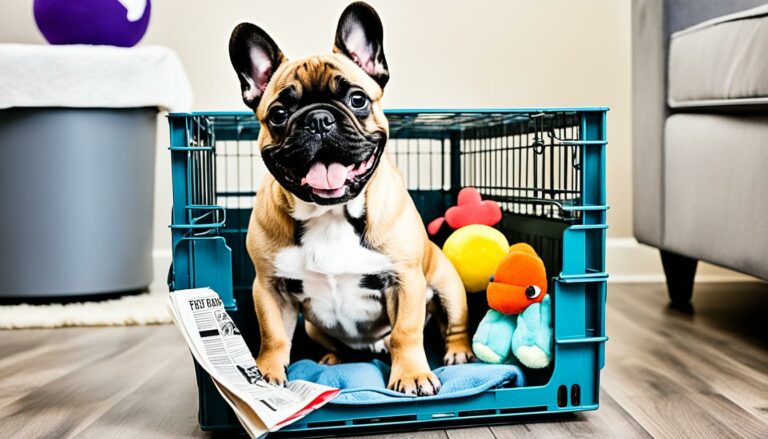
House-training a French Bulldog puppy works best with a predictable schedule, immediate rewards, smart confinement, accident prevention and patience. The goal is to make the right choice easy: potty after sleep, meals, play and before bedtime, with calm praise and tiny rewards every time your puppy gets it right.
This guide is educational and designed to help you ask better questions. It does not replace diagnosis, treatment, emergency care or a personalized plan from your veterinarian. For severe symptoms, pain, collapse, breathing distress, suspected heatstroke, repeated vomiting, weakness, or sudden behavior change, contact a veterinarian immediately.
The Frenchie potty schedule
| Moment | Take puppy out |
|---|---|
| After waking | Immediately |
| After meals | Within 5–15 minutes |
| After play | Immediately after active play |
| Before crate/nap | Right before confinement |
| Before bed | Last thing at night |
| Young puppies | Often; bladder control is limited |
Set up the home to prevent accidents
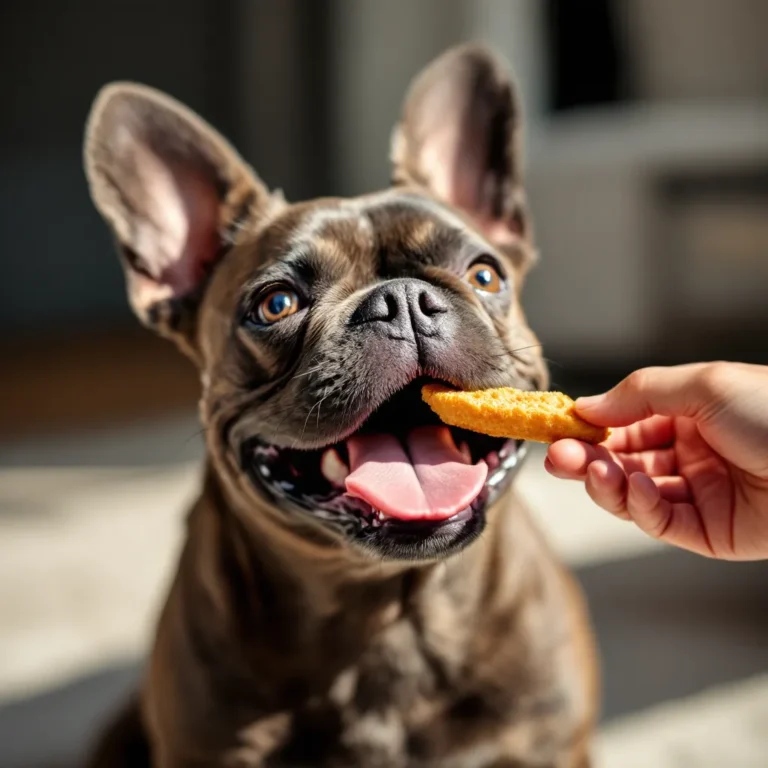
Crate and confinement without stress
A crate should be a safe rest area, not punishment. Build positive association with meals, calm chews and short practice. If your puppy panics, drools or injures themselves trying to escape, pause and address anxiety with professional guidance.
What to do after an accident
Interrupt gently if you catch it in the moment and take your puppy out. If you find it later, clean it and adjust management. Scolding after the fact teaches fear, not bladder control.

Troubleshooting
| Problem | Likely fix |
|---|---|
| Puppy pees right after coming inside | Stay outside longer; reward the actual finish. |
| Accidents in one room | Block access and clean thoroughly. |
| Night accidents | Review last water/meal timing and bedtime potty. |
| Regression | Check schedule changes, stress or medical issues. |
| Frequent urination | Call your vet to rule out infection or medical causes. |
Connected puppy guides
What this guide helps you decide: every important question this page answers
This rewrite is built to satisfy informational, commercial, and answer-engine intent in one place. It naturally covers the entities and semantically related phrases search engines and AI systems expect around this topic, without keyword stuffing.
Primary entities
- house training French Bulldog puppy
- potty training
- crate routine
- accidents
- pee pads
- reward training
Reader outcomes
- Understand what matters first.
- Separate normal variation from warning signs.
- Know what to track before making changes.
- Move to the right related FrenchyFab guide.
- Ask better questions at the vet, trainer, breeder, or product level.
Owner action plan: what to do today, this week, and long term
| Timeframe | Action | Why it matters |
|---|---|---|
| Today | Set a predictable routine for sleep, meals, potty, calm handling and short training sessions. | French Bulldogs learn faster when the environment makes success obvious. |
| This week | Reward the behaviors you want and reduce rehearsal of barking, accidents, panic, pulling or overexcitement. | Management prevents habits while training builds alternatives. |
| Next vet visit | Ask whether pain, ears, breathing, digestion or heat sensitivity could be contributing to behavior. | Behavior and health are connected, especially in brachycephalic breeds. |
| Ongoing | Increase difficulty slowly and keep sessions short, calm and successful. | Overwhelmed puppies and anxious dogs do not learn well. |
Common myths, clarified
| Myth | Better answer |
|---|---|
| “Stubborn dogs need harsher correction.” | Humane reward-based training is safer and more effective for long-term learning. |
| “Accidents are revenge.” | Puppies have limited bladder control and need management, schedule and rewards. |
| “Anxiety is just bad behavior.” | Panic, fear and stress need a treatment plan, not punishment. |
| “Socialization means meeting every dog.” | Good socialization means positive, controlled exposure — not flooding or chaos. |
Copy-and-paste tracking template
Use this note format: Date: ____ / Main concern: ____ / Severity from 1–5: ____ / Trigger: ____ / Food and treats today: ____ / Weather or activity: ____ / Stool, skin, ears, breathing or behavior notes: ____ / What helped: ____ / Questions for vet or trainer: ____.
Tracking is not busywork. It turns vague memories into patterns. Patterns improve decision-making, content engagement, and the usefulness of every internal link on the page.
At a glance
Best answer: House-training a French Bulldog puppy works best with a predictable schedule, immediate rewards, smart confinement, accident prevention and patience. The goal is to make the right choice easy: potty after sleep, meals, play and before bedtime, with calm praise and tiny rewards every time your puppy gets it right.
Helpful glossary
house training French Bulldog puppy: a practical part of French Bulldog care. potty training: a practical part of French Bulldog care. crate routine: a practical part of French Bulldog care. accidents: a practical part of French Bulldog care. pee pads: a practical part of French Bulldog care. reward training: a practical part of French Bulldog care.
Frequently asked questions
How long does it take to potty train a French Bulldog puppy?
It varies by age, consistency, health and environment. Expect progress in weeks, with occasional setbacks.
Should I use pee pads?
Pads can help in apartments or emergencies, but they may slow outdoor-only training if not managed intentionally.
Why does my puppy pee after coming inside?
They may not have fully emptied, may be distracted outside, or may not understand the routine yet.
When should I call a vet about accidents?
Call if urination is frequent, painful, bloody, sudden, or paired with lethargy or appetite changes.
Editorial sources and review notes
This guide is written for owners and should be reviewed by your veterinarian for your dog’s individual medical history. Key references used to keep the guidance conservative and source-aware:

Frenchy Fab editorial profile focused on practical French Bulldog owner guidance, safety-aware care routines, nutrition, puppy care, grooming, training, and transparent product-review methodology. Content is educational and does not replace veterinary diagnosis or treatment.

