
French Bulldogs can look compact and sturdy even when they are drifting away from a healthy body condition. That makes weight one of the easiest health problems to miss until it starts worsening breathing, heat tolerance, mobility, and comfort. This guide shows you how to judge Frenchie weight more accurately, what ranges are useful, and how to respond when your dog is getting too heavy or too thin.
Direct answer: A healthy French Bulldog weight depends on body size, sex, build, and life stage, but body condition matters more than a single number. You should be able to feel the ribs under a light fat covering, see a waist from above, and notice a slight abdominal tuck. If weight gain starts affecting breathing, heat tolerance, sleep, or movement, it is already important.
Who this is for
- Frenchie owners trying to judge whether their dog is underweight, ideal, or overweight
- Owners who want a practical body-condition framework instead of random internet weight claims
- People managing weight gain, post-neuter changes, treat overload, or lower activity tolerance
- Puppy owners comparing growth expectations and adult owners adjusting food and activity
Who should skip this
- Owners whose dog has sudden weight loss, collapse, severe lethargy, repeated vomiting, or major illness signs; call a veterinarian first
- Readers looking for a breed-standard show discussion instead of a practical care guide
- Anyone wanting a single magic target weight without looking at body condition
Top priorities at a glance
| Priority | What to check | Why it matters |
|---|---|---|
| Use body condition, not just pounds | Feel ribs, check waist, check abdominal tuck | Frenchies vary in frame size and muscle |
| Track trends | Weigh regularly and compare photos over time | Small gains can still matter in this breed |
| Audit extras | Treats, chews, toppers, scraps, and low-activity days | Most “mystery” weight gain comes from drift, not one big mistake |
| Protect breathing and heat tolerance | Notice stamina, panting, sleep quality, and recovery after walks | Weight amplifies common Frenchie risks |
| Escalate abnormal weight loss | Do not assume thinness is healthy | Underweight dogs may have medical, digestive, or appetite problems |
Methodology: how we evaluated healthy weight

This guide emphasizes body-condition scoring, trend monitoring, and owner-observable function rather than fixed vanity numbers. We prioritized the factors that matter most in French Bulldogs: breathing strain, heat sensitivity, digestive tolerance, portion control, and the difference between a naturally broad frame and excess fat. A useful weight guide should help owners make better decisions, not chase misleading breed averages.
What is a normal weight for a French Bulldog?
Many adult French Bulldogs fall somewhere in the rough neighborhood of the high teens to upper twenties in pounds, but that range alone is not enough to tell you whether your dog is healthy. A smaller female and a broad-chested male should not be judged exactly the same way. Puppies also change quickly, and adolescents can look awkward before they settle into their adult shape.
The better question is: what does this number mean on this dog? If your Frenchie is 24 pounds with easy-to-feel ribs, a visible waist, normal energy, and good heat tolerance, that is very different from a 24-pound dog who has no waist and struggles on short walks.
How to body-score your Frenchie at home

- Feel the ribs: you should feel them under a light covering, not poke against bone and not press through thick padding.
- Look from above: there should be a visible waist behind the ribs.
- Look from the side: the abdomen should tuck up slightly rather than hanging level or sagging.
- Watch movement: excess weight often shows up in slower rising, heavier breathing, and reduced endurance before owners notice it visually.
Puppy vs adult weight expectations
Puppies should gain weight steadily, but rapid over-conditioning is not a good sign. Healthy growth is controlled growth. If you are feeding a puppy, pair this guide with the French Bulldog puppy feeding guide so you can match weight checks with feeding decisions. Adults should be monitored for drift after routine changes, neuter status changes, reduced exercise, or treat creep.
Why weight matters more in French Bulldogs than owners expect
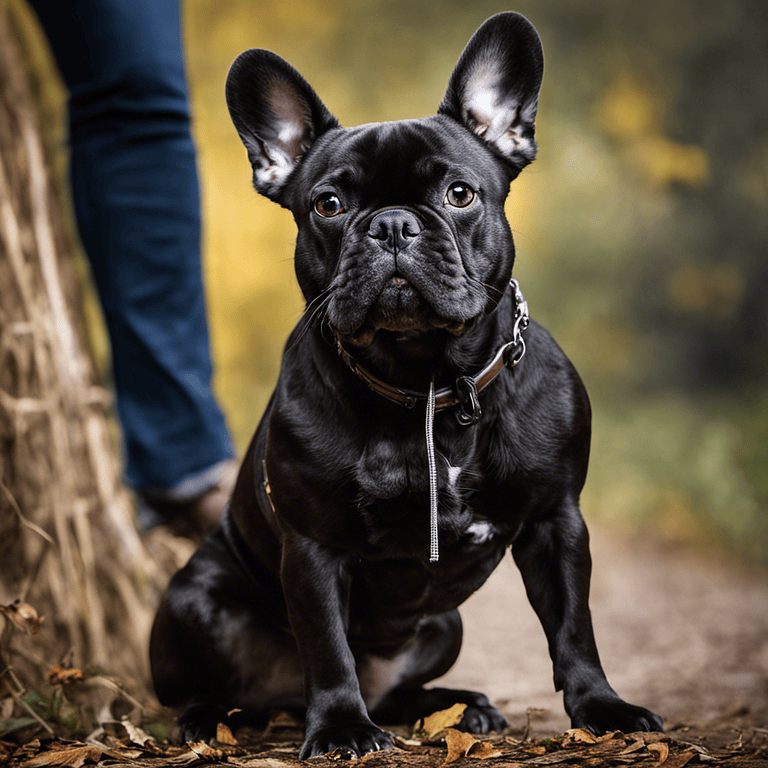
Extra weight can worsen several of the breed’s most important vulnerabilities. It can make noisy breathing worse, reduce heat tolerance, increase mobility strain, and lower sleep quality. In practical terms, a slightly overweight Frenchie may look cute but feel much less comfortable than the owner realizes. That is why weight management belongs inside broader French Bulldog health planning, not off to the side as a cosmetic issue.
Common causes of weight gain
- Portion sizes that drift up over time
- Treats and chews not counted against the day’s calories
- Lower activity during hot weather or life changes
- Using multiple foods, toppers, and hand-fed extras
- Not adjusting intake after spay/neuter or schedule changes
If you need a more tailored plan, see the French Bulldog personalized diet plan and how much French Bulldogs should eat.
What if your Frenchie is underweight?
Underweight French Bulldogs deserve just as much attention as overweight ones. A dog may be too thin because of poor intake, digestive problems, chronic illness, poor food fit, stress, dental discomfort, or other issues. Do not assume thin means athletic. If ribs, spine, or hip points are too obvious, or weight is dropping unexpectedly, get veterinary guidance instead of simply feeding much more blindly.
Comparison table: ideal vs overweight vs underweight

| Condition | What you usually feel/see | Common causes | Best next step |
|---|---|---|---|
| Ideal | Ribs easy to feel, visible waist, slight tuck | Balanced intake and activity | Stay consistent and monitor |
| Overweight | Ribs hard to feel, waist fading, heavier breathing | Portion creep, treats, low activity, calorie-dense extras | Reduce calories modestly and tighten routine |
| Underweight | Ribs/spine too visible, low muscle, poor coverage | Poor appetite, GI issues, illness, poor diet match | Veterinary review and structured feeding plan |
Decision framework: what should you do next?
- If your dog looks ideal and functions well: keep measuring, do not get complacent.
- If your dog is softening around the ribs and waist: tighten meals, reduce extras, and recheck in 2 to 3 weeks.
- If your dog struggles more in heat or on short walks: treat weight as part of a bigger health conversation; read the overheating playbook.
- If your dog is unexpectedly losing weight: involve your veterinarian early.
- If you are not sure what to feed: compare options in best dog foods for French Bulldogs and the broader feeding guide.
Common mistakes

- Chasing one “ideal” number. Condition matters more than a single internet average.
- Ignoring treats and chew calories. These are often the real cause of drift.
- Waiting until the dog is obviously obese. Small gains still matter.
- Assuming broad-chested means overweight or vice versa. You need hands-on body scoring.
- Overcorrecting too fast. Extreme cuts are usually a poor strategy.
FAQ
What should an adult French Bulldog weigh?
There is a range, but the better question is whether the dog has a healthy body condition and good function at that weight.
How do I know if my Frenchie is overweight?
Look for ribs that are hard to feel, a disappearing waist, heavier panting, and reduced comfort or stamina.
Can a French Bulldog be too thin even if active?
Yes. If body coverage is poor or weight is dropping unexpectedly, investigate rather than assuming it is normal.
How often should I weigh my dog?
Monthly works well for stable adults, and weekly or biweekly can help during weight-change efforts.
What matters more, food amount or exercise?
Both matter, but calorie control usually drives weight change faster than exercise alone—especially in compact companion breeds.
Sources
- General veterinary guidance on canine body-condition scoring, obesity risk, and companion-dog weight management
- How Much Should French Bulldogs Eat?
- French Bulldog Feeding Guide
- French Bulldog Health Problems Guide
- French Bulldog Personalized Diet Plan
Related next reads
- How Much Should French Bulldogs Eat?
- French Bulldog Feeding Guide
- Best Dog Foods for French Bulldogs
- French Bulldog Puppy Feeding Guide
- French Bulldog Overheating Playbook
Author and reviewer
Author: FrenchyFab Editorial Team
Reviewed for practical accuracy: Companion-dog weight management and French Bulldog-specific body-condition guidance.
Medical note: This article is educational and not a substitute for veterinary diagnosis when weight changes are sudden, significant, or paired with other symptoms.

Frenchy Fab editorial profile focused on practical French Bulldog owner guidance, safety-aware care routines, nutrition, puppy care, grooming, training, and transparent product-review methodology. Content is educational and does not replace veterinary diagnosis or treatment.