
Quick Answer
Senior French Bulldog Care: Health, Diet, and Happiness Tips: start with a measured baseline, adjust one variable at a time, and evaluate outcomes over 1–2 weeks.
Quick Answer
Senior French Bulldog Care: Health, Diet, and Happiness Tips: start with a practical baseline, apply one change at a time, and monitor your French Bulldog’s response over 7–14 days before scaling.
Key Takeaways
- Use gradual, measurable adjustments.
- Prioritize safety and consistency over quick fixes.
- Escalate to a veterinarian for persistent or worsening symptoms.
Editorial note: This guide is educational and does not replace veterinary diagnosis.
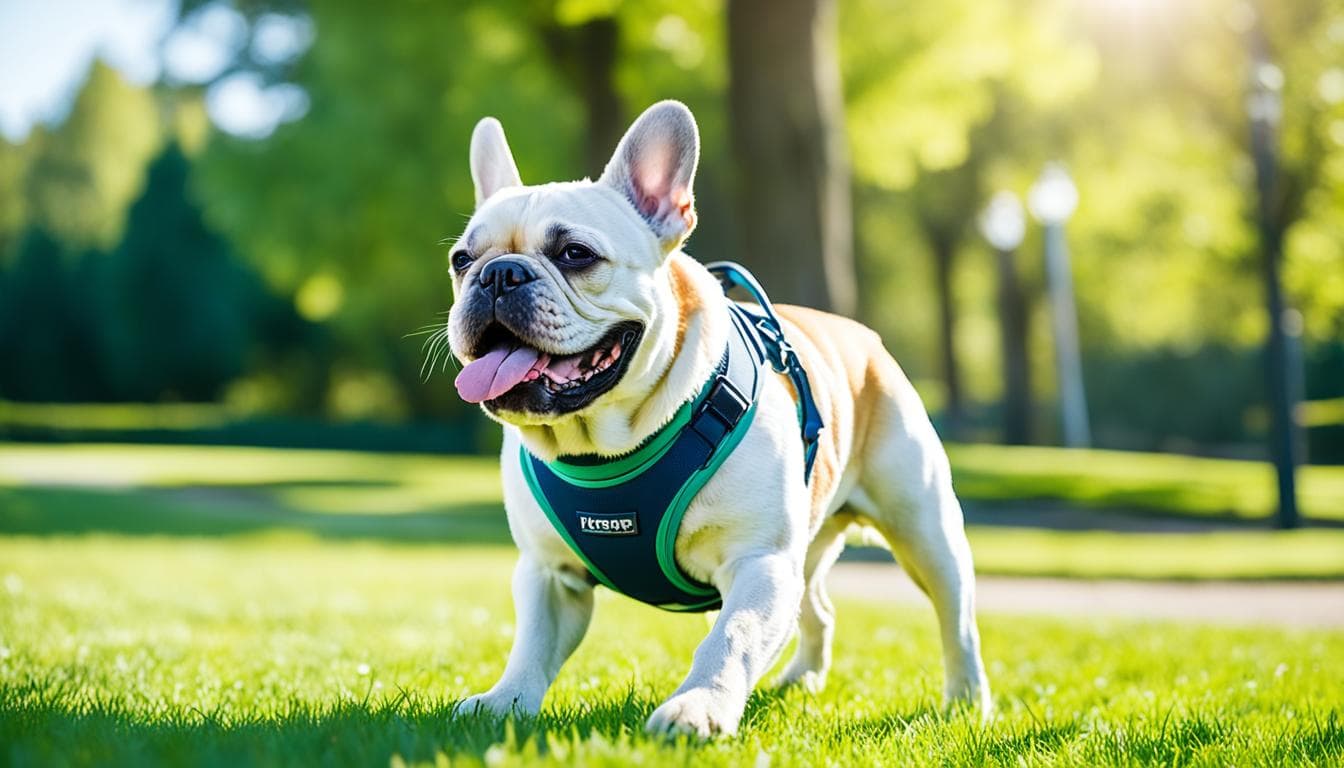
Did you know? More than 70% of French Bulldogs live beyond 10 years! When your French Bulldog grows older, giving them the right care is crucial. This helps them stay healthy and happy.
Senior French Bulldogs have special needs unlike younger ones. It’s important to know these needs for them to age well. As your Frenchie ages, adjust their food, exercise, and vet visits. Watch for hearing loss, vision problems, and joint pain. With love and proper care, your senior Frenchie can enjoy a happy and healthy golden age!
Key Takeaways:
-
Golden Oldie Frenchies: French Bulldogs can live over 10 years! Keep them happy and healthy with senior care.
-
Special Senior Diet: Adjust food as your Frenchie ages to meet their changing needs.
-
Exercising for Oldies: Gentle walks and playtime are important, but don’t overdo it!
-
Regular Vet Checkups: More frequent vet visits help spot senior health concerns early.
-
Loving the Silver Years: Watch for hearing, vision, and joint problems. With care, your Frenchie can enjoy a long,
Recognizing Signs of Aging in Your Frenchie: Early Detection is Key!
|
Sign |
Possible Cause |
Action |
|---|---|---|
|
Hearing Loss |
Age-related hearing loss |
Get your Frenchie’s attention with gentle touches or visual cues. Consider light signals or vibration collars for walks. |
|
Vision Problems |
Cataracts or glaucoma |
Schedule a vet visit if you notice your Frenchie bumping into things or hesitating on stairs. |
|
Reduced Mobility |
Arthritis or joint pain |
Provide ramps or supportive bedding. Discuss pain management options with your veterinarian. |
|
Changes in Appetite or Behavior |
Potential health issue |
Consult your veterinarian if your Frenchie loses interest in food, becomes withdrawn, or shows any unusual behavior. |
|
Sleeping More |
Normal for seniors, but monitor for excessive sleepiness. |
Allow your senior Frenchie to rest more, but ensure they’re still getting some exercise and playtime. |
1. Regular Vet Check-Ups
One of the most important aspects of senior French Bulldog care is regular veterinary check-ups. As your Frenchie grows older, they’re more prone to health issues like arthritis, dental problems, and sensory losses. Regular vet check-ups can help detect these concerns early, ensuring your furry friend gets the care they need.
2. Tailored Nutrition
As your French Bulldog enters their senior years, their nutritional needs may change. It’s essential to provide them with a balanced diet that caters to their specific requirements. Consider switching to a senior-specific dog food that contains lower calories, higher fiber, and added nutrients like glucosamine and chondroitin to support joint health. Always consult with your veterinarian to determine the best diet plan for your senior Frenchie.
3. Maintaining a Healthy Weight
Obesity is a common issue among senior French Bulldogs, as their metabolism slows down and they become less active. Maintaining a healthy weight is crucial for preventing additional strain on their joints and reducing the risk of obesity-related health problems. Monitor your Frenchie’s weight regularly and adjust their food portions and treats accordingly.

4. Gentle Exercise
While senior French Bulldogs may not be as energetic as they once were, regular exercise is still important for maintaining their overall health and well-being. Engage your Frenchie in gentle activities such as short walks, indoor playtime, or swimming (under close supervision). Avoid overexertion and pay attention to your dog’s cues to prevent exhaustion or injury.
5. Comfortable Sleeping Arrangements
As your French Bulldog ages, they may develop joint pain or stiffness, making it difficult for them to get comfortable. Provide your senior Frenchie with a soft, supportive bed that cushions their joints and keeps them warm. Consider using an orthopedic dog bed or adding extra blankets for added comfort.
6. Dental Care
Dental health is often overlooked in senior dogs, but it’s a crucial aspect of their overall well-being. Regular dental visits and proper oral hygiene can shield your senior Frenchie from tooth decay, gum disease, and other oral health problems. Use dog-specific toothpaste to brush their teeth frequently and offer dental chews to keep their gums healthy and breath fresh.

7. Eye and Ear Care
Senior French Bulldogs are prone to eye and ear problems, such as cataracts, glaucoma, and ear infections. Regularly cleaning your Frenchie’s ears and eyes with a gentle, dog-specific cleanser and a soft cloth helps prevent health issues. If you spot symptoms like eye cloudiness or excessive ear wax, promptly consult your veterinarian.
8. Grooming and Skin Care
As your French Bulldog matures, their skin may grow more sensitive, often leading to dryness or irritation. Consistent grooming not only maintains their coat’s health but also allows you to spot any unusual lumps or skin issues. Opt for a gentle, moisturizing shampoo and regularly brush your senior Frenchie to spread natural oils, enhancing both skin and coat health.
9. Mental Stimulation
Keeping your senior French Bulldog mentally stimulated is just as important as physical exercise. Engage your Frenchie in brain-teaser toys, puzzle feeders, or gentle training sessions to keep their mind sharp and prevent cognitive decline. Mental stimulation also helps alleviate boredom and reduces the risk of destructive behaviors.

10. Socialization
Older French Bulldogs still need to spend time with other dogs, even if they aren’t as energetic as before. Try to have them play gently with other dogs or set up playdates with calm, friendly dogs. Being social helps keep them from feeling lonely or isolated, which is good for their mental health.
11. Adapting Your Home
As your French Bulldog gets older, they might find it harder to move around on stairs, slippery floors, or tall furniture. Adjust your home to keep your older Frenchie safe and comfortable. Put in ramps or non-slip mats, block off stairs, and make sure their bedding and food/water are easy to reach.
12. Pain Management
Senior French Bulldogs may experience joint pain or discomfort due to conditions like arthritis or hip dysplasia. Work with your veterinarian to develop a pain management plan that may include medications, supplements, or alternative therapies such as acupuncture or massage. Providing your senior Frenchie with relief from chronic pain can greatly improve their quality of life.
13. Monitoring Behavior Changes
As your French Bulldog gets older, watch closely for any new changes in how they act or their routines. If you notice different eating habits, sleeping patterns, or bathroom behaviors, these could be signs of health problems. Keep a record of your older Frenchie’s activities and talk to your vet about anything unusual.
14. Patience and Understanding
Older French Bulldogs might start to get confused or act differently because their brain function can slow down. It’s important to be patient, understanding, and kind to your aging Frenchie. Keep their surroundings calm and stable, and give them comfort when they need it.
15. Quality Time
Spending quality time with your senior French Bulldog is very important. As they get older, they really enjoy gentle cuddles, quiet time together, and just being with you. Make sure to spend some special time each day with your senior Frenchie to let them know you love them.
16. Maintaining a Consistent Routine
Senior French Bulldogs thrive on consistency and routine. Stick to a regular schedule for meals, walks, playtime, and bedtime to provide your aging Frenchie with a sense of stability and security. Sudden changes in routine can be stressful for senior dogs, so try to maintain a predictable daily schedule.
17. Monitoring Breathing
French Bulldogs are a brachycephalic breed, meaning they have a shortened snout that can lead to breathing difficulties. As your Frenchie ages, it’s crucial to monitor their breathing and watch for signs of distress, such as excessive panting, snoring, or labored breathing. If you notice any concerning symptoms, consult with your veterinarian to rule out underlying health issues.
18. Addressing Incontinence
Older French Bulldogs may struggle with controlling their bladder or bowel movements, a condition called incontinence. This might happen because their muscles get weaker as they age or due to other health problems. If your older Frenchie is having this issue, you should see your vet to understand the cause and learn how to handle it. The fix could include medication, diet adjustments, or doggy diapers.
19. Providing Mental Stimulation
It’s important to keep your older French Bulldog mentally active for their brain health and happiness. Use puzzle toys, play interactive games, and have gentle training sessions to keep their mind sharp and avoid boredom. Keeping them mentally engaged can also slow down brain aging and help maintain their quality of life.
20. Adapting to Changing Needs
As your French Bulldog ages, their needs may change, and it’s essential to adapt your care routine accordingly. This may include adjusting their diet, exercise routine, or living environment to accommodate their changing physical and mental abilities. Stay attuned to your senior Frenchie’s needs and make necessary changes to ensure their comfort and well-being.
21. Providing Emotional Support
Older French Bulldogs might start acting differently or feel more anxious or stressed. Help your aging Frenchie feel better by giving them lots of emotional support and comfort, especially when things are changing or uncertain. Spend good time with your senior Frenchie, show them gentle love, and keep their surroundings calm and stable so they feel safe and loved.
22. Considering Mobility Aids
As your French Bulldog ages, they may develop mobility issues or find it more difficult to navigate stairs or slippery surfaces. Consider using mobility aids such as ramps, non-slip mats, or supportive harnesses to help your senior Frenchie move around more easily and safely. These aids can help prevent falls or injuries and improve your senior Frenchie’s quality of life.
23. Managing Chronic Conditions
Older French Bulldogs might get long-term health issues like arthritis, diabetes, or heart disease. It’s important to work with your vet to create a detailed care plan. This should include regular visits to the vet, medicine, changes in diet, and adjustments in their daily activities. By actively taking care of these health problems, you can help your older French Bulldog stay healthy and happy.
24. Providing Palliative Care
As your French Bulldog gets older and nears the end of their life, it’s important to take care of them with kindness. Talk to your vet to create a plan that helps manage pain and keeps your senior Frenchie comfortable. This plan might involve medicine, changes in diet, and making their living space more comfortable to help make their last days peaceful.
25. Celebrating Your Senior Frenchie
Caring for an older French Bulldog can sometimes be tough, but it’s important to appreciate your aging Frenchie and the special connection you have. Remember the great times you’ve had together and give your senior Frenchie extra love and attention. Celebrate their important moments, treat them with their favorite snacks and toys, and enjoy the valuable time you spend together.
26. Considering End-of-Life Decisions
As your French Bulldog gets older and nears the end of their life, you might have to make tough choices about their care and well-being. It’s important to talk openly and honestly with your vet and family about your dog’s health, treatment choices, and what you prefer for their end-of-life care. Planning ahead and making informed decisions will help make sure your senior Frenchie’s last days are comfortable and respectful.
27. Seeking Support
Caring for a senior French Bulldog can be emotionally and physically demanding, and it’s essential to seek support when needed. Reach out to family members, friends, or professional support services for assistance with caregiving tasks or emotional support. Consider joining a senior dog support group or connecting with other senior French Bulldog owners for advice and encouragement.
28. Honoring Your Senior Frenchie’s Memory
When the time comes to say goodbye to your beloved senior French Bulldog, it’s important to honor their memory and the special place they hold in your heart. Consider creating a memorial or tribute to your senior Frenchie, such as a photo album, scrapbook, or donation to a French Bulldog rescue organization in their name. By celebrating your senior Frenchie’s life and legacy, you can find comfort and healing in the cherished memories you shared together.
29. Preparing for the Future
As you navigate the joys and challenges of caring for a senior French Bulldog, it’s important to also think about the future. Consider your own needs and preferences when it comes to adding a new furry family member, and take the time to grieve and heal before making any decisions. When you’re ready, research reputable French Bulldog breeders or rescue organizations to find your next canine companion.
30. Embracing the Journey
Taking care of an older French Bulldog is a rewarding experience that needs patience, compassion, and lots of love. By giving your aging Frenchie the right care, attention, and support, you can help them age well and fully enjoy their later years. Face the challenges and treasure the special times you spend together, making sure you’re providing your senior Frenchie with the best life possible.
Conclusion
Caring for a senior French Bulldog may come with its challenges, but it’s also an incredibly rewarding experience that deepens the bond you share with your beloved companion. By staying informed, proactive, and compassionate, you can help your senior Frenchie age with grace, dignity, and endless love. Remember, every moment spent with your senior French Bulldog is a gift to be cherished and celebrated.
FAQ
What should I do first?
Start with one clear objective and track results against a baseline.
How do I improve results faster?
Apply changes in small batches, verify outcomes, then scale winners.
Related Guides
- Managing French Bulldog Hyperactivity: Calm Your Hyper Frenchie Fast
- 2026 French Bulldog Supplements: Ultimate Guide
Helpful Video
Watch this practical walkthrough for extra context on this topic.
Helpful References
Use these authoritative resources for deeper research and practical next steps.

Frenchy Fab editorial profile focused on practical French Bulldog owner guidance, safety-aware care routines, nutrition, puppy care, grooming, training, and transparent product-review methodology. Content is educational and does not replace veterinary diagnosis or treatment.